
Austin, Texas, November 22, 2025
Austin has dropped over 30 positions in the ‘World’s Best Cities’ ranking, reflecting a decline in economic vitality and livability. Factors such as housing affordability and increasing competition from other cities have adversely impacted Austin’s standing. This report emphasizes the need for proactive measures to enhance cultural and economic offerings to regain a competitive edge in urban rankings.
Austin’s Global Ranking Declines in Latest ‘World’s Best Cities’ Report
Austin Faces Setbacks in Global Urban Rankings
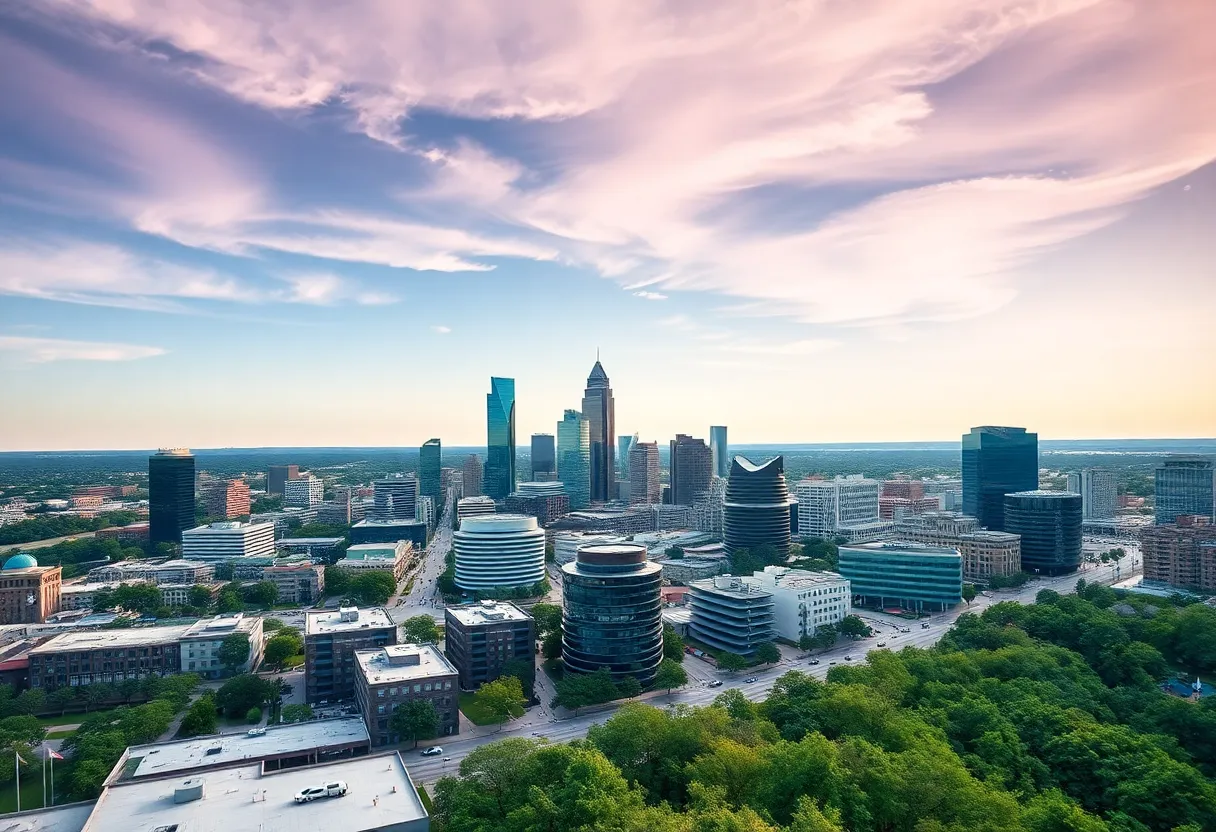
Austin, Texas – In a significant turn of events, Austin has dropped over 30 positions in the latest ‘World’s Best Cities’ ranking, a comprehensive assessment that evaluates cities around the globe based on economic vitality, livability, and cultural aspects. This decline, as reported in the 2026 edition by Resonance Consultancy, signals a pivotal moment for the city, once hailed as a vibrant hub for innovation and opportunities.
Decline in Global Standing
The recent report reveals Austin’s position has plummeted from 53rd to below the top 50, raising concerns about its ability to maintain momentum as a leading urban center. The criteria for this evaluation include key performance metrics related to economic growth, livability, and cultural richness, all crucial markers of a city’s global reputation.
Factors Contributing to the Decline
Several interconnected factors have influenced this drop in ranking. A primary concern is housing affordability, which has adversely affected overall livability scores. Furthermore, even though Austin’s technology sector remains strong, other cities have been making considerable gains in economic development and cultural diversity, presenting stiff competition that has, unfortunately, overshadowed Austin’s advantages.
Comparative Performance
The report indicates that while Austin has faltered, other metropolitan giants like New York City have maintained their standing and continue to lead in global rankings due to their substantial economic and cultural influence. Cities such as San Jose and Seattle have also shown marked improvements, illustrating that a proactive approach to economic growth and quality of life remains essential for urban competitiveness.
Implications for Austin
The fall in Austin’s ranking serves as a vital reminder of the ever-changing dynamics in global assessments of urban environments. Addressing housing affordability and actively enhancing cultural and economic offerings must take precedence if Austin is to regain its footing among the world’s top cities. By focusing on these areas, the city can not only improve its rankings but also enrich the living experience of its residents and attract future talent.
Background on the ‘World’s Best Cities’ Report
The ‘World’s Best Cities’ report, published annually by Resonance Consultancy, evaluates urban centers on a variety of criteria including economic performance, livability, and cultural appeal. These rankings provide city planners, businesses, and residents with insights necessary for making informed decisions about urban environments.
Related Rankings and Assessments
In addition to the ‘World’s Best Cities’ report, other assessments such as the Global Liveability Index and the Global Financial Centres Index also evaluate urban environments. These reports assess cities on stability, healthcare, culture, infrastructure, and financial sectors, respectively, offering a broader perspective on urban characteristics influencing global standings.
Conclusion
The recent drop in Austin’s ranking emphasizes the challenges ahead as it strives to maintain its status as a desirable city. Community involvement and a focus on constructive solutions regarding housing and cultural development will be imperative for Austin to rejuvenate its appeal and rise in international regard.
FAQ
What is the ‘World’s Best Cities’ report?
The ‘World’s Best Cities’ report is an annual publication by Resonance Consultancy that evaluates cities worldwide based on factors such as economic vitality, livability, and cultural aspects. It provides a comprehensive assessment of cities’ global standing.
Why did Austin’s ranking decline?
Austin’s decline in the rankings may be attributed to challenges related to housing affordability and increased competition from other cities in economic development and cultural offerings.
Which U.S. cities performed well in the rankings?
New York City, San Jose, and Seattle have maintained or improved their positions in the rankings, reflecting strong economic and cultural influences.
What other assessments evaluate urban livability?
Other assessments include the Global Liveability Index, which evaluates cities based on stability, healthcare, culture, and infrastructure, and the Global Financial Centres Index, which assesses cities’ financial sectors.
How can Austin improve its global standing?
Addressing housing affordability, enhancing cultural offerings, and sustaining economic growth are crucial for Austin to improve its position in future rankings.
Key Features of the Article
| Feature | Description |
|---|---|
| Decline in Austin’s Ranking | Austin’s significant drop in the ‘World’s Best Cities’ ranking, falling over 30 positions from its previous standing. |
| Factors Contributing to the Decline | Challenges related to housing affordability and increased competition from other cities in economic development and cultural offerings. |
| Comparative Performance | Other U.S. cities like New York City, San Jose, and Seattle have maintained or improved their positions in the rankings. |
| Implications for Austin | The need for Austin to address housing affordability and enhance cultural and economic offerings to improve its global standing. |
| Background on the Report | The ‘World’s Best Cities’ report evaluates cities based on economic performance, livability, and cultural offerings. |
Deeper Dive: News & Info About This Topic
HERE Resources
University of Texas at Austin Achieves National Recognition
University Merger Transforms Education Landscape in San Antonio
UT San Antonio Emerges from Historic Merger
Houston’s Educational Institutions Recognized Nationally
Historic Merger Approved for UTSA and UT Health San Antonio School
UTSA Ranked No. 11 University in Texas
UT Austin Crowned Best University in Texas
UTSA Rises in QS World University Rankings
Texas Ranks as the Best Business Climate in the Nation
UTSA Ranked Among Top Universities in Texas and Nation

Author: STAFF HERE SAN ANTONIO WRITER
The SAN ANTONIO STAFF WRITER represents the experienced team at HERESanAntonio.com, your go-to source for actionable local news and information in San Antonio, Bexar County, and beyond. Specializing in "news you can use," we cover essential topics like product reviews for personal and business needs, local business directories, politics, real estate trends, neighborhood insights, and state news affecting the area—with deep expertise drawn from years of dedicated reporting and strong community input, including local press releases and business updates. We deliver top reporting on high-value events such as Fiesta San Antonio, San Antonio Stock Show & Rodeo, and Dia de los Muertos. Our coverage extends to key organizations like the Greater San Antonio Chamber of Commerce and United Way of San Antonio and Bexar County, plus leading businesses in retail, insurance, and energy that power the local economy such as H-E-B, USAA, and Valero Energy. As part of the broader HERE network, including HEREAustinTX.com, HERECollegeStation.com, HEREDallas.com, and HEREHouston.com, we provide comprehensive, credible insights into Texas's dynamic landscape.