

San Antonio, TX, November 29, 2025
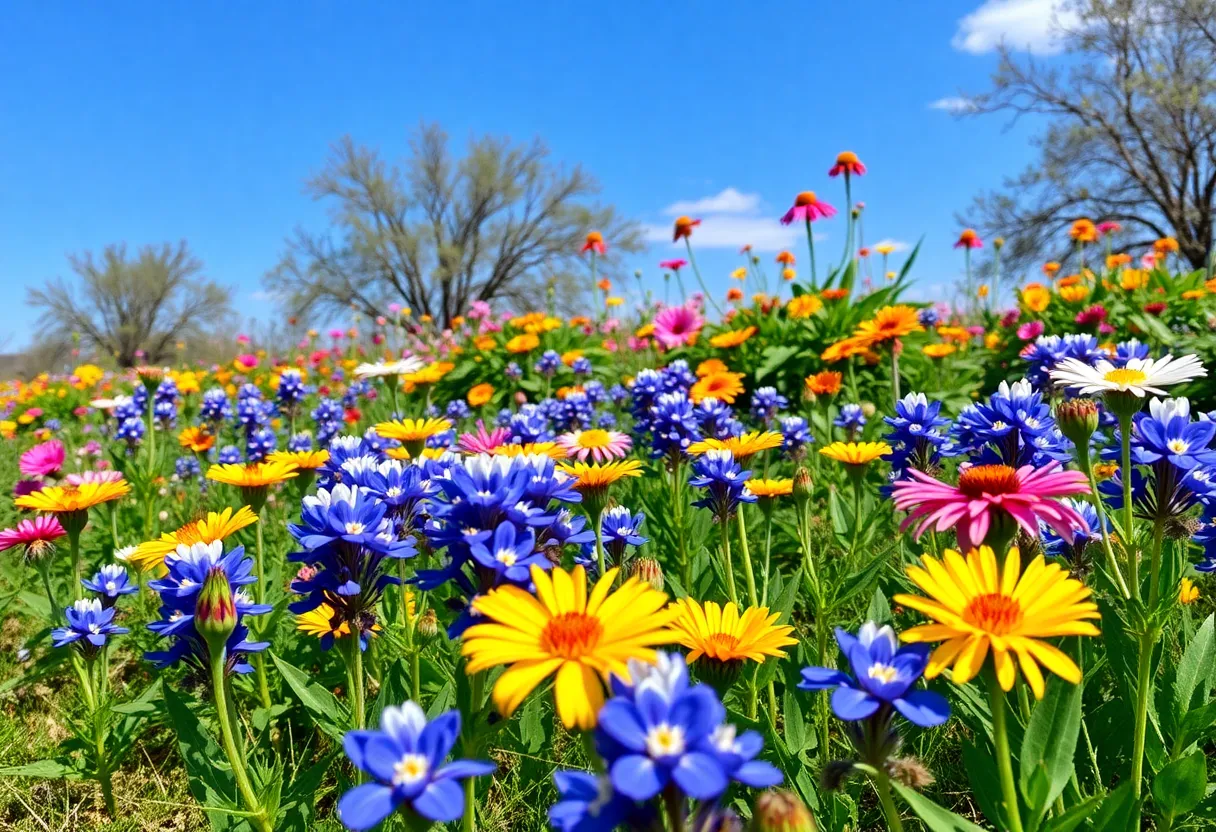
After recent rain, San Antonio gardening experts urge residents to plant wildflower seeds to enhance local landscapes and support ecosystems. This initiative showcases community spirit and the positive impact of gardening on both beauty and biodiversity. Ideal soil conditions from recent rainfall allow for the effective sowing of wildflower seeds, which promote sustainable neighborhoods and resilience in local ecosystems.
San Antonio Residents Encouraged to Plant Wildflower Seeds After Recent Rain
San Antonio, TX – Following recent rainfall, local gardening experts are advising residents to plant wildflower seeds to enhance the city’s landscapes and support local ecosystems. This initiative aligns perfectly with the entrepreneurial spirit of the community, showing how small actions can cultivate a more beautiful and sustainable environment.
Optimal Planting Conditions
The recent 2-inch rainfall has created ideal conditions for sowing wildflower seeds. Gardeners are encouraged to take advantage of the moist soil to plant seeds, even those that have been stored for several years. While fresher seeds typically have higher germination rates, older seeds can still sprout if they are spread in full sun and make contact with moist soil.
Recommended Wildflower Varieties
For a vibrant spring display, consider planting the following native wildflowers:
- Texas Bluebonnets
- Indian Blanket (Gaillardia)
- Lanceleaf Coreopsis
- Standing Cypress
- Purple Coneflower
- Black-Eyed Susan
- Texas Paintbrush
- Mexican Hat (Ratibida)
- Blue Flax
- Evening Primrose
These species thrive when planted in fall and rely on natural winter stratification.
Planting Tips
To ensure successful germination and growth:
- Site Selection: Choose an area without preexisting turf or remove existing grass.
- Seed Application: Scatter seeds by hand. Mixing seeds with sand (one part seed to four parts sand) can make handling easier.
- Seed Depth: Rake or pack in the seeds, ensuring they are about 1/8 inch deep to receive adequate sunlight for germination.
- Watering: Keep the area moist for several days unless it’s going to rain. During prolonged dry periods, water every two to three weeks.
Long-Term Considerations
Wildflowers often take a full year or even two to fully establish and bloom. Patience is essential, as these plants reward gardeners with spectacular spring displays for years to come.
Additional Gardening Activities
In addition to planting wildflowers, now is an excellent time to:
- Thin Irises: Remove overcrowded or damaged iris bulbs to promote healthy growth.
- Manage Seedlings: Remove unwanted seedlings, such as hackberries and Chinaberries, to prevent them from overtaking your garden. For seedlings less than 1 inch in diameter, prune them at ground level and apply a stump and vine killer to the fresh cut.
- Lawn Care: Address lawn issues by aerating and top-dressing with compost in February. Avoid applying fertilizer, preemergent herbicide, or Bermuda grass seed to the lawn at this time.
By taking advantage of the recent rainfall and following these guidelines, San Antonio residents can contribute to the beauty and ecological health of their community.
Frequently Asked Questions (FAQ)
What types of wildflowers should I plant in San Antonio?
Consider planting native species such as Texas Bluebonnets, Indian Blanket (Gaillardia), Lanceleaf Coreopsis, Standing Cypress, Purple Coneflower, Black-Eyed Susan, Texas Paintbrush, Mexican Hat (Ratibida), Blue Flax, and Evening Primrose. These varieties thrive when planted in fall and rely on natural winter stratification.
When is the best time to plant wildflower seeds in San Antonio?
The ideal time to plant wildflower seeds in San Antonio is during the fall, from mid-September through mid-December. This timing allows seeds to undergo natural winter stratification, leading to a vibrant spring bloom.
How should I prepare the soil before planting wildflower seeds?
Choose an area without preexisting turf or remove the existing grass. Scatter seeds by hand, mixing them with sand (one part seed to four parts sand) to make handling easier. Rake or pack in the seeds, ensuring they are about 1/8 inch deep to receive adequate sunlight for germination.
How often should I water wildflower seeds after planting?
Keep the area moist for several days unless it’s going to rain. During prolonged dry periods, water every two to three weeks. Once established, wildflowers are generally drought-tolerant and require minimal watering.
How long does it take for wildflowers to bloom after planting?
Wildflowers often take a full year or even two to fully establish and bloom. Patience is essential, as these plants reward gardeners with spectacular spring displays for years to come.
Key Features of Planting Wildflowers in San Antonio
| Feature | Description |
|---|---|
| Optimal Planting Time | Mid-September through mid-December for fall planting; spring wildflowers can be planted once the weather warms. |
| Recommended Species | Native wildflowers such as Texas Bluebonnets, Indian Blanket, Lanceleaf Coreopsis, Standing Cypress, Purple Coneflower, Black-Eyed Susan, Texas Paintbrush, Mexican Hat, Blue Flax, and Evening Primrose. |
| Soil Preparation | Remove existing turf or choose an area without preexisting grass; scatter seeds mixed with sand; rake or pack in seeds to a depth of about 1/8 inch. |
| Watering Requirements | Keep the area moist for several days unless it’s going to rain; during prolonged dry periods, water every two to three weeks. Once established, wildflowers are generally drought-tolerant. |
| Bloom Timeline | Wildflowers often take a full year or even two to fully establish and bloom, rewarding gardeners with spectacular spring displays for years to come. |
Deeper Dive: News & Info About This Topic
HERE Resources

Author: STAFF HERE SAN ANTONIO WRITER
The SAN ANTONIO STAFF WRITER represents the experienced team at HERESanAntonio.com, your go-to source for actionable local news and information in San Antonio, Bexar County, and beyond. Specializing in "news you can use," we cover essential topics like product reviews for personal and business needs, local business directories, politics, real estate trends, neighborhood insights, and state news affecting the area—with deep expertise drawn from years of dedicated reporting and strong community input, including local press releases and business updates. We deliver top reporting on high-value events such as Fiesta San Antonio, San Antonio Stock Show & Rodeo, and Dia de los Muertos. Our coverage extends to key organizations like the Greater San Antonio Chamber of Commerce and United Way of San Antonio and Bexar County, plus leading businesses in retail, insurance, and energy that power the local economy such as H-E-B, USAA, and Valero Energy. As part of the broader HERE network, including HEREAustinTX.com, HERECollegeStation.com, HEREDallas.com, and HEREHouston.com, we provide comprehensive, credible insights into Texas's dynamic landscape.