

San Antonio, Texas, December 12, 2025
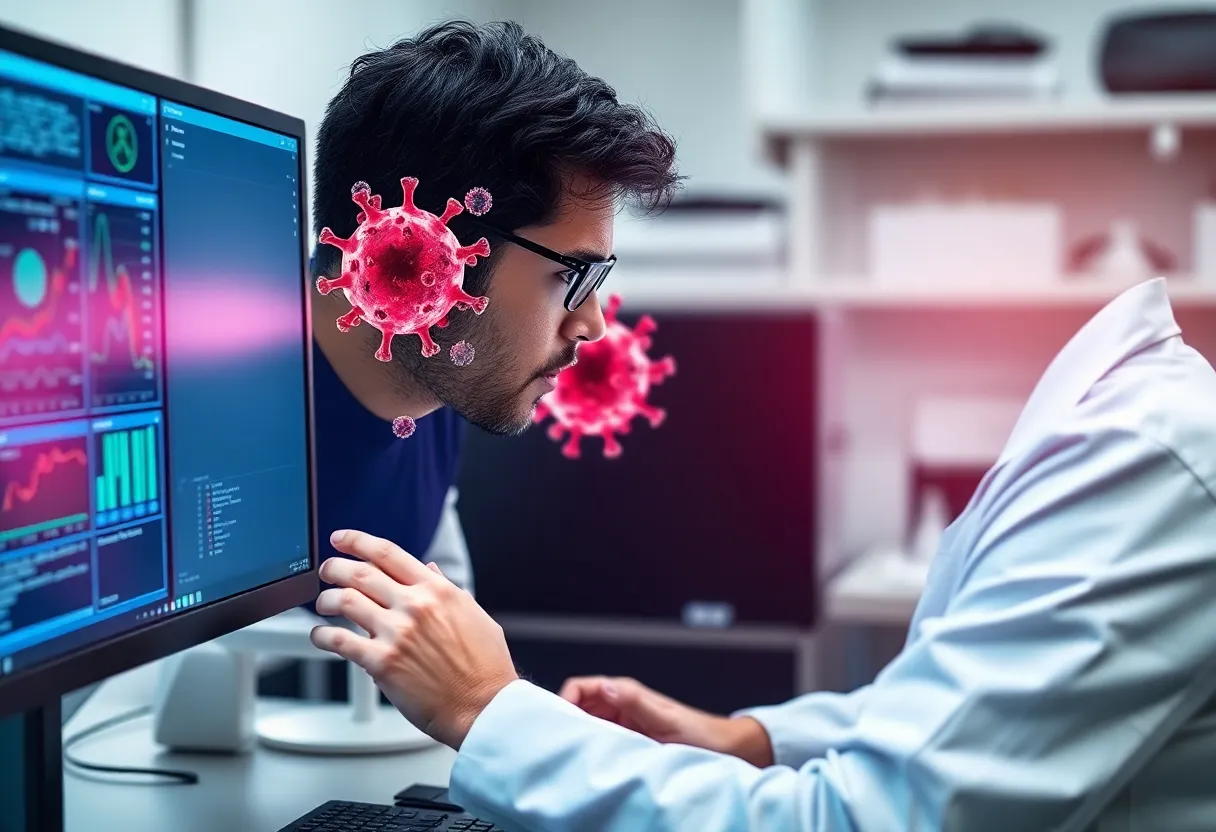
Researchers at The University of Texas at Austin have utilized artificial intelligence to identify a new protein target in the monkeypox virus. This discovery may pave the way for innovative vaccines and therapies against the disease, particularly affecting vulnerable groups. The research emphasizes the growing role of AI in biomedical research, promising advancements in battling infectious diseases and enhancing public health outcomes in San Antonio and beyond.
San Antonio, Texas — The University of Texas at Austin has harnessed the power of artificial intelligence (AI) to uncover a promising new target in the fight against the monkeypox virus (MPXV), which is particularly dangerous for children, pregnant women, and those with weakened immune systems. This groundbreaking study has the potential to revolutionize our approach to combating mpox, signaling exciting developments in public health.
The research, detailed in *Science Translational Medicine*, demonstrates how AI can significantly contribute to the speedy identification of viral targets. The study’s authors began by analyzing blood samples from people who had been infected with MPXV or vaccinated against it, eventually pinpointing 12 antibodies capable of neutralizing the virus. By predicting the viral surface proteins these antibodies targeted, the researchers identified a specific protein that, when introduced into mice, prompted a robust immune response, suggesting a pathway for creating new vaccines or antibody therapies against mpox.
### The Role of AI in Biomedical Research
The study exemplifies how AI-driven analysis is paving the way for significant advancements in biomedical research. In recent years, local and national researchers have increasingly leveraged AI’s capabilities to predict viral protein interactions and streamline the development of medical treatments. The implications of integrating AI into health research extend beyond just mpox—previous applications have demonstrated its applicability to various infectious diseases, including sexually transmitted infections and mRNA vaccine effectiveness.
### Potential for New Vaccines and Therapies
The discovery of this new therapeutic target opens the door to potentially lifesaving medical innovations. By focusing on the specific protein that triggered an immune response in mice, researchers are closer to developing targeted vaccines and therapies that could drastically improve outcomes for vulnerable populations. This progress showcases the importance of continued investment in research and development, particularly in the realm of infectious diseases.
### Supporting Local Innovation in Health Sciences
San Antonio’s burgeoning health sciences sector stands to benefit tremendously from breakthroughs such as these. With local institutions actively involved in cutting-edge research and development, there is immense potential for collaboration between universities, healthcare providers, and private industries. This synergy could prove crucial in enhancing the regional economy while also improving public health outcomes.
### The Broader Impact of AI in Healthcare
The transformative potential of AI technologies is being recognized across various fields, especially in healthcare. By expediting the research and development process, AI applications can help mitigate the lengthy timelines traditionally associated with biomedical research. As these technologies evolve, they have the potential to further decrease costs, thereby encouraging more private investment and innovation in healthcare solutions.
### Conclusion
The recent findings from The University of Texas at Austin highlight the critical role of AI in advancing not just the fight against mpox but also in the broader spectrum of infectious disease management. As San Antonio continues to foster an environment conducive to entrepreneurial innovation and scientific research, the community stands to gain both economically and in terms of public health. Engaging with local businesses and supporting the growth of the health sciences sector will be vital as we look to navigate future health challenges.
#### FAQ
- What is mpox?
- Mpox, formerly known as monkeypox, is a viral disease that can cause severe illness, especially in children, pregnant women, and immunocompromised individuals.
- How did AI contribute to this research?
- AI was used to predict which proteins on the monkeypox virus’s surface antibodies targeted, leading to the identification of a specific protein that elicited a strong immune response in mice.
- What are the potential implications of this discovery?
- This finding suggests the possibility of developing new vaccines or antibody therapies against mpox, potentially improving outcomes for those affected by the disease.
- Has AI been used in other infectious disease research?
- Yes, AI has been applied in various contexts, such as developing tools for detecting sexually transmitted diseases and creating models to predict mRNA sequence translation efficiency for different applications.
- What does this breakthrough signify for biomedical research?
- The integration of AI into biomedical research highlights its transformative potential in advancing medical science and addressing complex health challenges.
| Key Feature | Description |
|---|---|
| Research Focus | Utilizing AI to identify new targets for combating the monkeypox virus (MPXV) and developing potential vaccines or antibody therapies. |
| Methodology | Analyzing blood samples from individuals previously infected with MPXV or vaccinated against it to identify antibodies, then using AI to predict which viral surface proteins these antibodies target. |
| Findings | Identification of a specific viral surface protein that, when introduced into mice, elicited antibodies capable of neutralizing MPXV, suggesting a potential target for new treatments. |
| Implications | Potential development of new vaccines or antibody therapies against mpox, improving outcomes for affected individuals. |
| Broader Context | Demonstrates the transformative potential of AI in biomedical research, as seen in previous applications for detecting sexually transmitted diseases and predicting mRNA sequence translation efficiency. |
Deeper Dive: News & Info About This Topic
HERE Resources

Author: STAFF HERE SAN ANTONIO WRITER
The SAN ANTONIO STAFF WRITER represents the experienced team at HERESanAntonio.com, your go-to source for actionable local news and information in San Antonio, Bexar County, and beyond. Specializing in "news you can use," we cover essential topics like product reviews for personal and business needs, local business directories, politics, real estate trends, neighborhood insights, and state news affecting the area—with deep expertise drawn from years of dedicated reporting and strong community input, including local press releases and business updates. We deliver top reporting on high-value events such as Fiesta San Antonio, San Antonio Stock Show & Rodeo, and Dia de los Muertos. Our coverage extends to key organizations like the Greater San Antonio Chamber of Commerce and United Way of San Antonio and Bexar County, plus leading businesses in retail, insurance, and energy that power the local economy such as H-E-B, USAA, and Valero Energy. As part of the broader HERE network, including HEREAustinTX.com, HERECollegeStation.com, HEREDallas.com, and HEREHouston.com, we provide comprehensive, credible insights into Texas's dynamic landscape.