

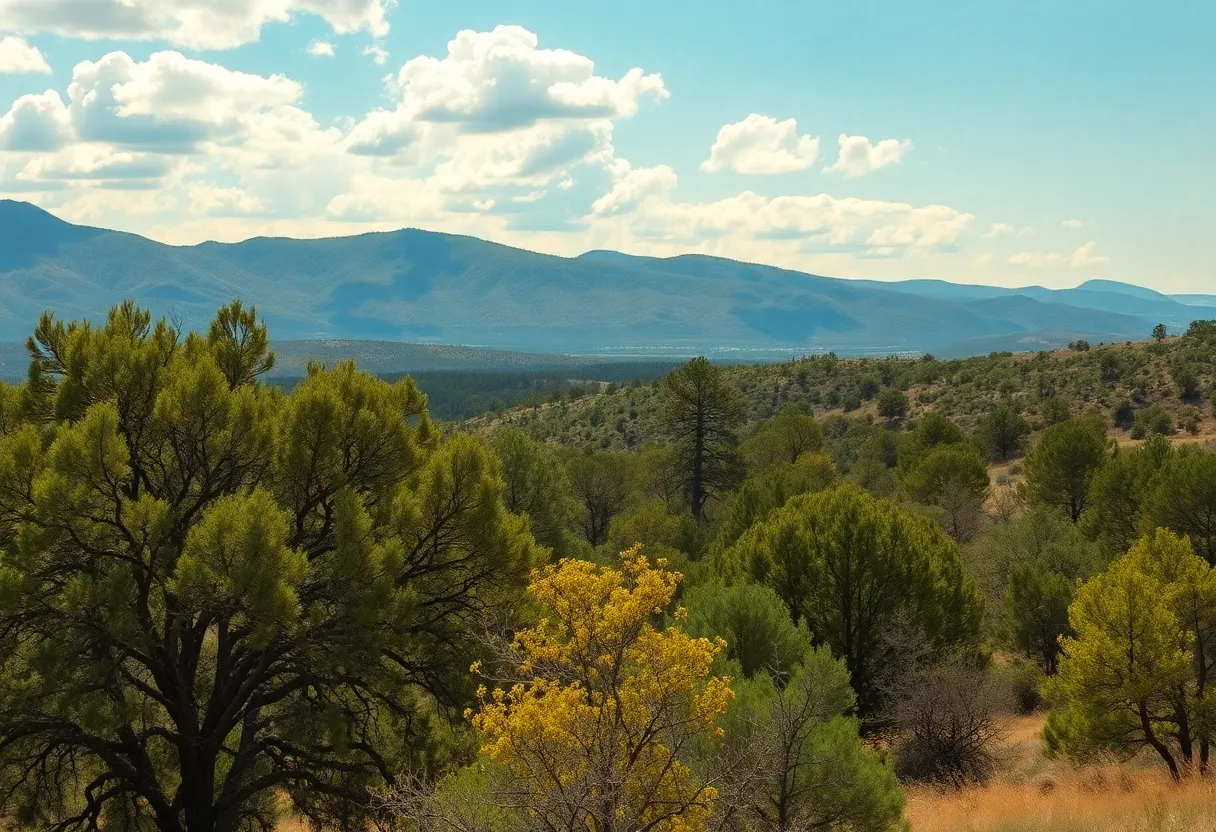
San Antonio, January 27, 2026
San Antonio is experiencing a surge in cedar fever cases, coinciding with unprecedented heat across Texas. Cedar fever, induced by mountain cedar pollen, impacts many residents, especially in Central and South Texas. Recent high temperatures have intensified allergy symptoms, leading to significant discomfort among those affected. Health officials are advising precautions and offering management strategies for those suffering from this seasonal allergy.
Texas Residents Face Cedar Fever Challenges Amid Record Heat
San Antonio is currently grappling with a surge in cedar fever cases, coinciding with record-breaking heatwaves across the state. This seasonal allergy, triggered by mountain cedar pollen, is affecting thousands of residents, particularly in Central and South Texas.
Record Heat Intensifies Allergy Symptoms
Recent weather patterns have seen temperatures soaring well above the seasonal average, exacerbating the discomfort for those sensitive to cedar pollen. The combination of high temperatures and elevated pollen counts has led to a significant uptick in allergy-related symptoms, including nasal congestion, sneezing, itchy eyes, and fatigue.
Understanding Cedar Fever
Cedar fever is an allergic reaction to pollen from mountain cedar trees, also known as Ashe junipers. These trees are abundant in the Texas Hill Country and other regions, releasing large amounts of pollen during the winter months. The pollen is lightweight and can travel long distances, affecting areas far from the source. Symptoms often resemble those of a common cold or flu but without the fever. The cedar pollen season typically runs from December through February, with peak levels often occurring in January.
Impact Across Texas
While cedar fever is most prevalent in Central Texas, its effects are being felt statewide. In San Antonio, for instance, pollen counts have reached “very high” levels, prompting health officials to advise residents to take precautions.
Managing Cedar Fever Symptoms
Health experts recommend several strategies to alleviate cedar fever symptoms:
- Stay Indoors: Limit outdoor activities, especially during peak pollen release times, typically early morning hours.
- Medicate Early: Begin taking antihistamines and nasal sprays before symptoms start to build up.
- Monitor Pollen Levels: Keep an eye on local pollen forecasts to plan outdoor activities accordingly.
- Clean Up: Shower and change clothes after being outside to remove pollen from your body and clothing.
When to Seek Medical Attention
If symptoms persist or worsen despite self-care measures, it’s advisable to consult a healthcare provider. They can offer personalized treatment plans, which may include prescription medications or allergy shots, to help manage and reduce symptoms effectively.
Conclusion
The convergence of record heat and high cedar pollen levels presents a challenging scenario for many Texans. By understanding the causes and implementing effective management strategies, residents can better navigate this allergy season and find relief from cedar fever symptoms.
Frequently Asked Questions (FAQ)
What is cedar fever?
Cedar fever is an allergic reaction to pollen from mountain cedar trees, also known as Ashe junipers. Symptoms include nasal congestion, sneezing, itchy eyes, and fatigue.
When does cedar pollen season occur in Texas?
Cedar pollen season typically runs from December through February, with peak levels often occurring in January.
How can I manage cedar fever symptoms?
To manage cedar fever symptoms, consider staying indoors during peak pollen times, taking antihistamines and nasal sprays early, monitoring local pollen levels, and showering and changing clothes after being outside.
When should I seek medical attention for cedar fever?
If symptoms persist or worsen despite self-care measures, it’s advisable to consult a healthcare provider for personalized treatment plans.
How does record heat affect cedar fever symptoms?
Record heat can exacerbate cedar fever symptoms by increasing pollen release and making the air drier, which can intensify allergic reactions.
Key Features of Cedar Fever in Texas
| Feature | Description |
|---|---|
| Allergen Source | Mountain cedar trees (Ashe junipers) release pollen during winter months. |
| Season | December through February, with peak levels in January. |
| Common Symptoms | Nasal congestion, sneezing, itchy eyes, and fatigue. |
| Management Strategies | Stay indoors during peak pollen times, take medications early, monitor pollen levels, and practice good hygiene. |
| When to Seek Medical Attention | If symptoms persist or worsen despite self-care measures. |
Deeper Dive: News & Info About This Topic
HERE Resources
Cold Front Brings Sudden Temperature Drop to Texas
Spring Has Sprung in San Antonio: Welcome to Oak Pollen Season!
Mountain Cedar Pollen Season Peaks in San Antonio
San Antonio Experiences Record High Cedar Pollen Counts

Author: STAFF HERE SAN ANTONIO WRITER
The SAN ANTONIO STAFF WRITER represents the experienced team at HERESanAntonio.com, your go-to source for actionable local news and information in San Antonio, Bexar County, and beyond. Specializing in "news you can use," we cover essential topics like product reviews for personal and business needs, local business directories, politics, real estate trends, neighborhood insights, and state news affecting the area—with deep expertise drawn from years of dedicated reporting and strong community input, including local press releases and business updates. We deliver top reporting on high-value events such as Fiesta San Antonio, San Antonio Stock Show & Rodeo, and Dia de los Muertos. Our coverage extends to key organizations like the Greater San Antonio Chamber of Commerce and United Way of San Antonio and Bexar County, plus leading businesses in retail, insurance, and energy that power the local economy such as H-E-B, USAA, and Valero Energy. As part of the broader HERE network, including HEREAustinTX.com, HERECollegeStation.com, HEREDallas.com, and HEREHouston.com, we provide comprehensive, credible insights into Texas's dynamic landscape.