

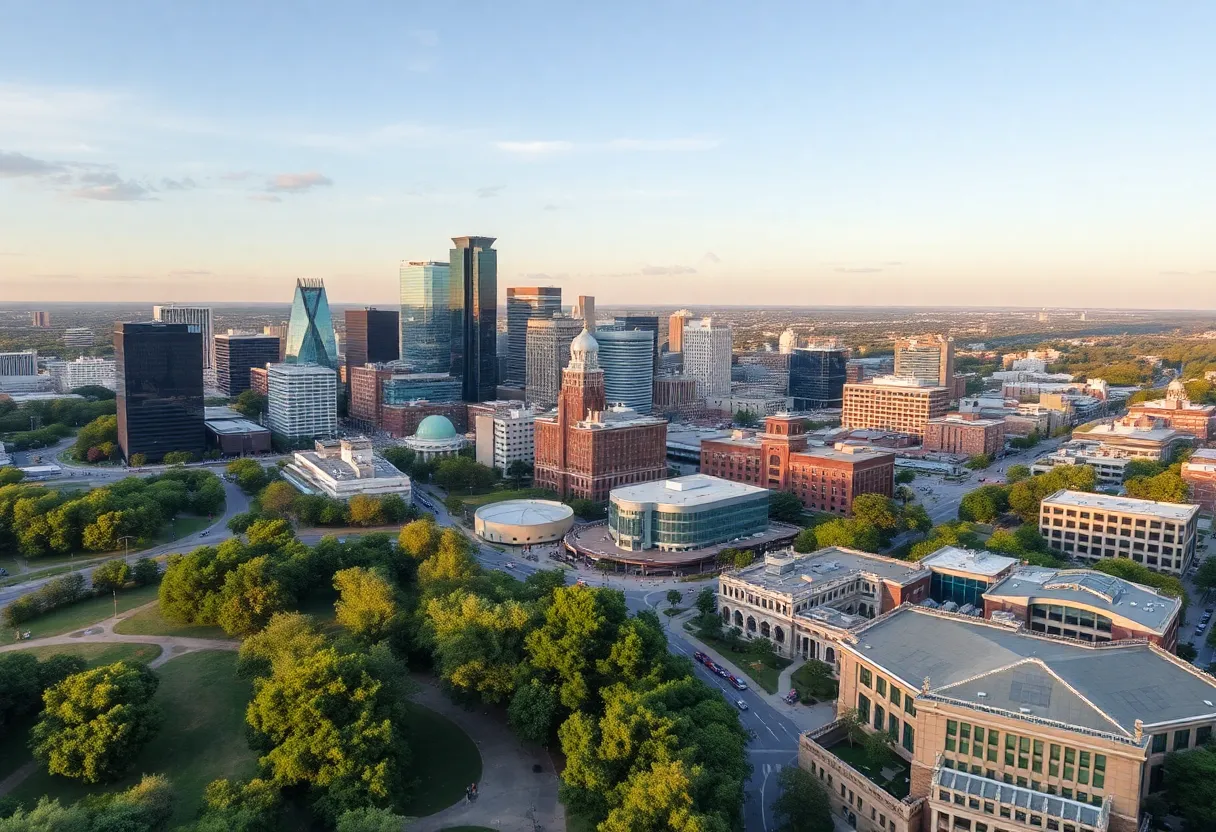
Austin, Texas, January 29, 2026
Austin, Texas, is witnessing significant shifts in its migration trends, with a decrease in domestic migration, yet an influx of international residents. The city’s population growth has slowed, reflecting challenges like housing affordability and reduced remote work opportunities. Despite this, projections indicate continued growth, with estimates suggesting that the population could surpass 5 million by 2060, highlighting the importance of addressing housing concerns and leveraging international migration to foster economic vitality.
Austin’s Migration Trends: A Closer Look at Recent Data
Austin, Texas continues to perform as a critical hub of economic growth and innovation in the Lone Star State, backed by its burgeoning population. Recent studies reveal that between 2020 and 2021, the city experienced a remarkable net inflow of 5%, with an additional 1.5% recorded over the past year. This buoyant trend places Austin among the leading metropolitan areas in terms of population growth.
However, as with many vibrant cities, the migration rates are beginning to shift. In 2024, the net domestic migration dropped substantially—by approximately 37% compared to 2023. This trend saw 13,980 people moving to the area, a stark decrease from the 22,219 who made the move the previous year. Factors like the narrowing affordability gap between Austin and other major cities, coupled with declining opportunities for remote work, are leading people to re-evaluate their residential choices.
Domestic Migration Decline
The substantial decline in domestic migration may initially seem concerning to residents and stakeholders. Nonetheless, it reflects broader economic trends and shifts within the workforce dynamic. The reduction in job flexibility, wherein remote positions are less prevalent, encourages individuals to seek homes closer to their workplace. More people now prioritize accessibility, with many finding that commuting from nearby cities has become increasingly favorable.
International Migration’s Role
Interestingly, despite the slowdown in domestic migration, international movement has become a significant driver of Austin’s population dynamics. For instance, in 2024, many new residents hailed from countries such as Mexico, India, Honduras, and China, contributing to a vitality that counteracts the declines seen in domestic migration. This infusion of diverse cultures and experiences enhances the local economy and fosters innovation by feeding local talent pools.
Housing Affordability Concerns
The affordability of housing plays a pivotal role in Austin’s migration trends. As housing prices in major cities are increasingly comparable to those in Austin, potential newcomers may reconsider their options. Addressing housing affordability stands as a necessary step for maintaining the city’s influx of residents. Engaging local government and private stakeholders in efforts to reduce regulatory barriers could promote new developments that ensure a steady supply of housing options.
Long-term Projections
Looking to the future, projections indicate an optimistic outlook for Austin’s population growth. Estimates suggest that by 2060, the Austin metro area could see its population more than double, reaching approximately 5.2 million residents. This growth indicates that as businesses continue to thrive, spurred by limited regulation and a commitment to innovation, the need for a skilled workforce will remain a core focus for economic stakeholders.
Conclusion
Austin’s population trends offer insights into not only its current state but also its future. While recent declines in domestic migration present challenges, they also highlight opportunities to address housing affordability and leverage the benefits of international migration. Entrepreneurs and local leaders are encouraged to engage proactively with these dynamics, ensuring that Austin continues to flourish as a key player in Texas’s vibrant economy. Residents and stakeholders alike should continue to support local businesses and remain engaged with the developments that shape this dynamic city.
Frequently Asked Questions (FAQ)
What is the current population growth rate in Austin?
Austin experienced a net inflow of 5% during 2020-2021 and an additional 1.5% over the past four quarters.
Has the rate of migration to Austin changed recently?
Yes, in 2024, Austin’s net domestic migration decreased by approximately 37% compared to 2023, with 13,980 people moving to the area.
What factors are contributing to the slowdown in migration to Austin?
The slowdown is attributed to factors such as the narrowing affordability gap between Austin and other major cities, as well as a reduction in remote work opportunities, prompting individuals to relocate closer to their workplaces.
How has international migration affected Austin’s population growth?
International migration has played a role in Austin’s population dynamics. In 2024, the city experienced a reversal in its migration trend, primarily driven by immigrants from countries including Mexico, India, Honduras, and China.
What are the long-term projections for Austin’s population growth?
Despite recent slowdowns, projections indicate that Austin’s metro area is expected to more than double in size by 2060, reaching 5.2 million people.
Key Features of Austin’s Migration Trends
| Feature | Details |
|---|---|
| Recent Migration Data | Net inflow of 5% during 2020-2021 and an additional 1.5% over the past four quarters. |
| 2024 Migration Statistics | Net domestic migration decreased by approximately 37% compared to 2023, with 13,980 people moving to the area. |
| Factors Influencing Migration | Narrowing affordability gap and reduced remote work opportunities. |
| International Migration Impact | Reversal in migration trend in 2024, driven by immigrants from countries including Mexico, India, Honduras, and China. |
| Long-Term Population Projections | Expected to more than double in size by 2060, reaching 5.2 million people. |
Deeper Dive: News & Info About This Topic
HERE Resources
Comal ISD Begins $25 Million Project to Enhance Educational Infrastructure
Lawmakers and Protesters Call for Release of Detained 5-Year-Old in Texas
Texas Leads Nation in Population Growth
Dilley Protest Erupts Over Detained Families
SageView Partners Purchases WestRidge Office Park in San Antonio
ICE Operation Shakes San Antonio’s South Side Community
Minneapolis Incident Sparks National Debate on Immigration Tactics
San Antonio Holds ‘No Kings’ Protest Against Authoritarianism
Jason Kidd Launches JK Select Baseball Initiative
Concerns Rise Over ICE Enforcement Actions in San Antonio

Author: STAFF HERE SAN ANTONIO WRITER
The SAN ANTONIO STAFF WRITER represents the experienced team at HERESanAntonio.com, your go-to source for actionable local news and information in San Antonio, Bexar County, and beyond. Specializing in "news you can use," we cover essential topics like product reviews for personal and business needs, local business directories, politics, real estate trends, neighborhood insights, and state news affecting the area—with deep expertise drawn from years of dedicated reporting and strong community input, including local press releases and business updates. We deliver top reporting on high-value events such as Fiesta San Antonio, San Antonio Stock Show & Rodeo, and Dia de los Muertos. Our coverage extends to key organizations like the Greater San Antonio Chamber of Commerce and United Way of San Antonio and Bexar County, plus leading businesses in retail, insurance, and energy that power the local economy such as H-E-B, USAA, and Valero Energy. As part of the broader HERE network, including HEREAustinTX.com, HERECollegeStation.com, HEREDallas.com, and HEREHouston.com, we provide comprehensive, credible insights into Texas's dynamic landscape.