

Austin, Texas, January 1, 2026
Austin Energy is gearing up for a significant increase in electricity usage due to the booming data center sector, particularly driven by the computational needs of AI applications. The Electric Reliability Council of Texas (ERCOT) projects systemwide load might double by 2028, necessitating extensive infrastructure upgrades. In response, legislative measures like Senate Bill 6 have been enacted to better manage electricity demands, while Austin Energy focuses on sustainable practices to mitigate potential cost increases for consumers. Opportunities to integrate clean energy within data centers also present a pathway towards a more resilient power grid.
Austin Prepares for Surge in Data Center Power Demand
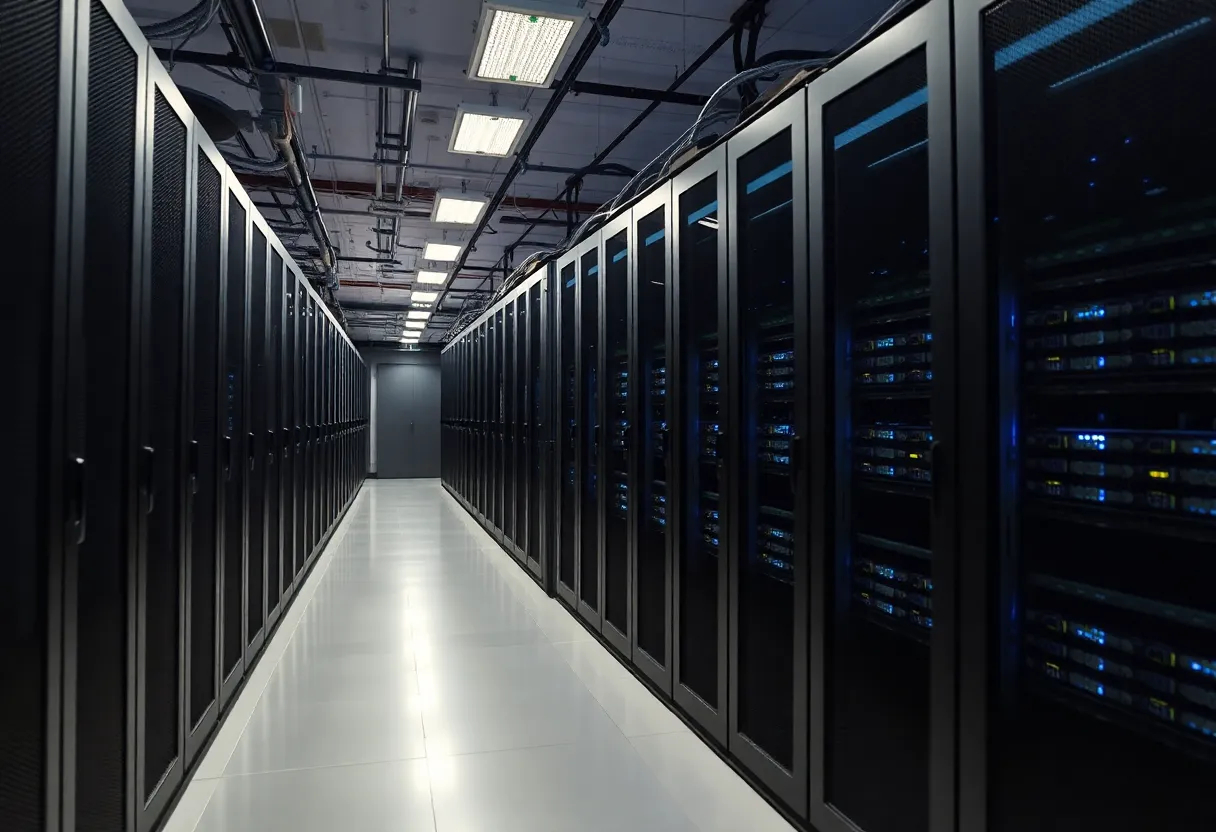
Austin, Texas – Austin Energy is bracing for a significant increase in power usage due to the rapid expansion of data centers in the region. The surge is primarily driven by the growing demands of artificial intelligence (AI) applications, which require substantial computational resources and, consequently, more electricity.
Projected Impact on the Power Grid
The Electric Reliability Council of Texas (ERCOT) anticipates that systemwide load could nearly double by 2028, largely due to data centers. This rapid growth presents challenges for both local and statewide power grids, necessitating substantial upgrades in transmission and generation infrastructure. Transmission projects typically take 5-8 years to build, while generation facilities require 3-5 years, making it imperative to plan and implement these upgrades promptly.
Regulatory Measures and Planning
In response to the escalating demand, Senate Bill 6 was enacted in June to enhance state regulation of large electricity consumers, including data centers. The legislation mandates interconnection studies for facilities requesting 75 megawatts (MW) or more. For smaller loads, Austin Energy is implementing strategies such as cost-sharing, grid reliability measures, and demand management programs to maintain a stable and reliable grid.
Potential Effects on Electricity Rates
The influx of large data centers is expected to exert upward pressure on electricity rates. The need for new infrastructure, coupled with inflation and related costs, may lead to higher utility bills for consumers. Austin Energy is committed to adhering to its Resource, Generation, and Climate Protection Plan to 2035, focusing on energy efficiency and sustainable practices to mitigate these impacts.
Opportunities for Clean Energy Integration
While large data centers pose challenges, they also present opportunities to integrate clean energy solutions. By incorporating interruptible services during grid stress periods and utilizing on-site solar, batteries, and peaking generation, data centers can contribute to a more resilient and sustainable energy future for Austin.
Background on Data Center Energy Consumption
Data centers are energy-intensive facilities that operate continuously to support various digital services. In 2024, U.S. data centers consumed approximately 183 terawatt-hours (TWh) of electricity, accounting for over 4% of the nation’s total electricity consumption. This figure is projected to more than double by 2030, driven in part by the increasing demands of AI applications. The rapid expansion of data centers in Texas, particularly in Austin, underscores the need for strategic planning and infrastructure development to accommodate this growth while ensuring grid reliability and sustainability.
Frequently Asked Questions (FAQ)
What is driving the increased power demand in Austin?
The surge in power demand is primarily driven by the rapid expansion of data centers, especially those supporting artificial intelligence (AI) applications, which require substantial computational resources and electricity.
How is Austin Energy addressing the challenges posed by data centers?
Austin Energy is implementing strategies such as cost-sharing, grid reliability measures, and demand management programs to maintain a stable and reliable grid in response to the increased demand from data centers.
What impact will the growth of data centers have on electricity rates?
The influx of large data centers is expected to exert upward pressure on electricity rates due to the need for new infrastructure and associated costs, potentially leading to higher utility bills for consumers.
Are there opportunities for integrating clean energy with data centers?
Yes, data centers present opportunities to integrate clean energy solutions, such as incorporating on-site solar, batteries, and peaking generation, to contribute to a more resilient and sustainable energy future for Austin.
How significant is the energy consumption of data centers in the U.S.?
In 2024, U.S. data centers consumed approximately 183 terawatt-hours (TWh) of electricity, accounting for over 4% of the nation’s total electricity consumption. This figure is projected to more than double by 2030, driven in part by the increasing demands of AI applications.
Key Features of Data Center Energy Consumption
| Feature | Details |
|---|---|
| Current U.S. Data Center Energy Consumption | Approximately 183 TWh in 2024, over 4% of total electricity consumption |
| Projected Growth by 2030 | Consumption expected to more than double, driven by AI applications |
| Impact on Austin’s Power Grid | Potential doubling of systemwide load by 2028, requiring significant infrastructure upgrades |
| Regulatory Measures | Senate Bill 6 mandates interconnection studies for facilities requesting 75 MW or more |
| Opportunities for Clean Energy Integration | Incorporation of on-site solar, batteries, and peaking generation to enhance grid resilience |
Deeper Dive: News & Info About This Topic
HERE Resources
Microsoft Invests $400 Million in Castroville Data Center
How Evolution Technologies Is Accelerating San Antonio’s Cloud Innovations
San Antonio Plans Major Expansion of US Highway 90
San Antonio Considers Regulations for Data Center Growth
Gas Prices in Texas Hit Four-Year Low for Holiday Travelers
Microsoft Announces Major Data Center Expansion in Medina County
New Data Center Boosts San Antonio’s Tech Landscape
San Antonio Job Market Shows Signs of Weakness Amid Economic Uncertainty
CPS Energy Moves to Boost Battery Storage Capacity in San Antonio
Texas Surpasses Coal in Solar Energy Production

Author: STAFF HERE SAN ANTONIO WRITER
The SAN ANTONIO STAFF WRITER represents the experienced team at HERESanAntonio.com, your go-to source for actionable local news and information in San Antonio, Bexar County, and beyond. Specializing in "news you can use," we cover essential topics like product reviews for personal and business needs, local business directories, politics, real estate trends, neighborhood insights, and state news affecting the area—with deep expertise drawn from years of dedicated reporting and strong community input, including local press releases and business updates. We deliver top reporting on high-value events such as Fiesta San Antonio, San Antonio Stock Show & Rodeo, and Dia de los Muertos. Our coverage extends to key organizations like the Greater San Antonio Chamber of Commerce and United Way of San Antonio and Bexar County, plus leading businesses in retail, insurance, and energy that power the local economy such as H-E-B, USAA, and Valero Energy. As part of the broader HERE network, including HEREAustinTX.com, HERECollegeStation.com, HEREDallas.com, and HEREHouston.com, we provide comprehensive, credible insights into Texas's dynamic landscape.