

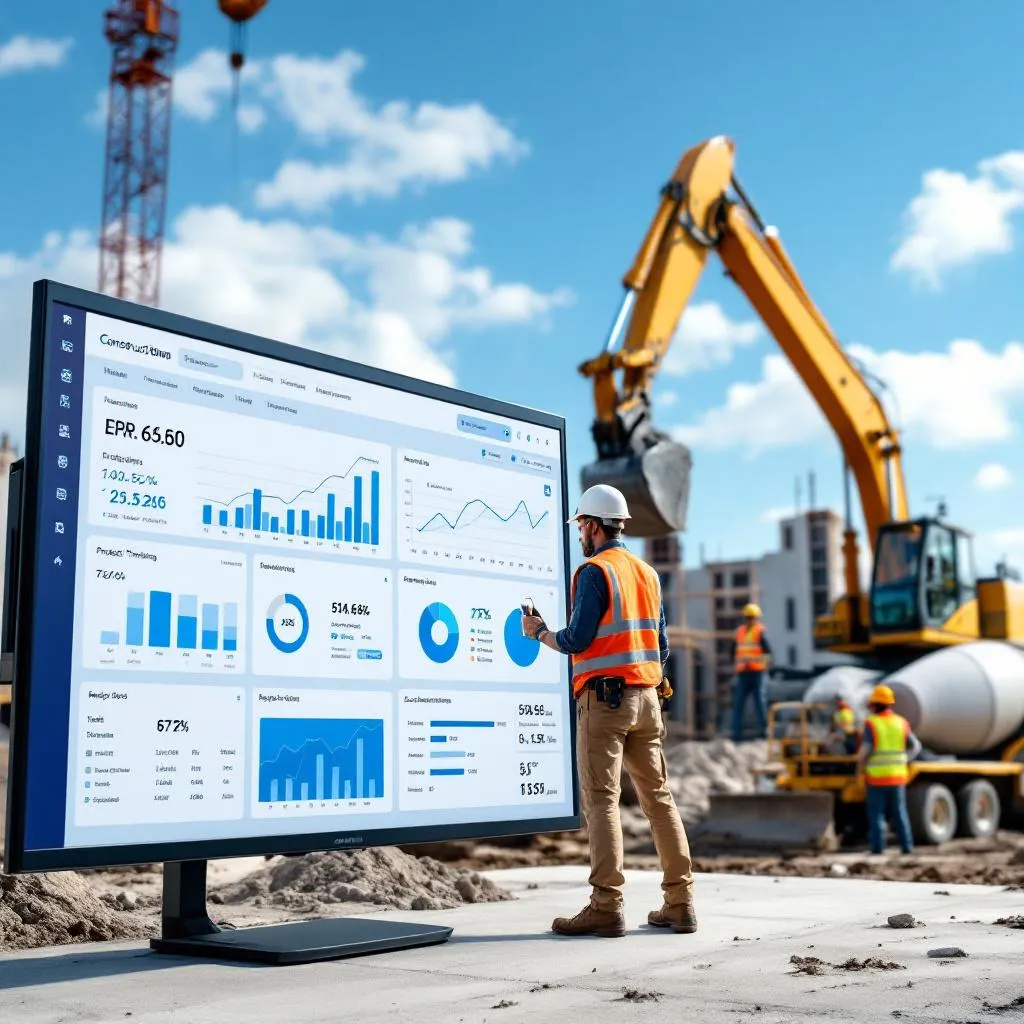
Optimizing San Antonio Construction: A Comprehensive Guide to ERP Software in 2025
1. San Antonio’s Evolving Construction Landscape in 2025
San Antonio’s construction industry is experiencing a transformative period in 2025, driven by significant investments and dynamic market conditions. With a development pipeline exceeding $4 billion, the city is a hub for infrastructure, mixed-use, and cultural projects. However, this growth is accompanied by challenges such as material cost volatility, labor shortages, and complex regulatory requirements. Enterprise Resource Planning (ERP) software has emerged as a critical tool for contractors to navigate this landscape, offering integrated solutions to streamline operations, enhance decision-making, and maintain a competitive edge.
Current Market Dynamics and Future Outlook
San Antonio’s construction sector is marked by high-profile projects and a robust economic backdrop. Key initiatives include:
- $2.5 billion San Antonio International Airport expansion, enhancing regional connectivity.
- $4 billion “Project Marvel” downtown revitalization, a mixed-use development reshaping the urban core.
- $500 million U.S. 90 West Expansion Project, with Phase 1 fully funded at $161 million, improving infrastructure.
- $450 million I-410 Interchange Improvements, set to complete by mid-2025, easing traffic congestion.
- $550 million Alamo redevelopment, targeting a 2027 opening to boost tourism.
- University Health Palo Alto Hospital, a major healthcare project opening in 2027.
- San Pedro Creek Culture Park Phase 3, set for Spring 2025, enhancing public spaces.
- Portico at Shaenfield Ranch, a 54,000 sq ft retail development slated for 2025.
Despite this growth, challenges persist. Industrial net absorption in Q1 2025 was negative at −168,153 sq ft, pushing vacancy rates to 9.9%, even as industrial rents hit a record $8.84/sq ft. This indicates a segment-specific rebalancing, requiring contractors to adapt strategically.
Key Drivers and Challenges for Local Contractors
San Antonio contractors face a unique set of drivers and challenges:
- Material Cost Volatility: Prices fluctuated by +1.28% from December 2023 to January 2024, impacting project budgets.
- Labor Shortages: A 3.8% unemployment rate in February 2025 signals a tight labor market, increasing competition for skilled workers.
- Regulatory Complexity: Compliance with Texas building codes and Infrastructure Investment and Jobs Act (IIJA) mandates demands robust tracking systems.
- Project Complexity: Multi-phase, high-value projects require advanced scheduling, resource allocation, and risk management.
ERP systems address these challenges by providing centralized platforms for financial oversight, resource optimization, and compliance tracking, enabling contractors to thrive in a competitive market.
2. Essential ERP Features for San Antonio Projects: A Deep Dive
To meet the demands of San Antonio’s construction boom, ERP systems must offer comprehensive, industry-specific features. Below is an expanded exploration of the critical functionalities contractors should prioritize.
2.1. Job Costing & Advanced Financial Management
Effective job costing is the backbone of construction ERP, enabling precise tracking of expenses across materials, labor, equipment, and overhead. Advanced financial management tools include:
- Budgeting and Forecasting: Real-time budget tracking and scenario analysis to manage cost overruns.
- Change-Order Management: Streamlined workflows to document and approve changes, minimizing disputes.
- Work-in-Progress (WIP) Reporting: Detailed insights into project financial health, critical for multi-phase developments like the airport expansion.
These features ensure contractors maintain profitability in volatile markets.
2.2. Mobile Access & Field Service Management (FSM)
Mobile-enabled ERP systems empower field teams with real-time access to critical data. Key capabilities include:
- Jobsite Updates: Field workers can log progress, submit daily reports, and access plans on mobile devices.
- Digital Work Orders: Streamlined task assignments reduce downtime on distributed suburban projects.
- Geolocation Integration: Tracks crew locations, enhancing coordination for infrastructure projects like the U.S. 90 West Expansion.
Mobile FSM ensures seamless communication between field and office, boosting efficiency.
2.3. Integrated Project Planning & Scheduling
Sophisticated planning tools are essential for managing complex, multi-phase projects. ERP systems offer:
- Gantt Charts: Visualize project timelines and dependencies for initiatives like the Alamo redevelopment.
- AI-Driven Scenario Simulation: Predict delays or resource conflicts, enabling proactive adjustments.
- Critical Path Analysis: Identify key tasks to keep projects on schedule, vital for time-sensitive developments like I-410 Interchange Improvements.
These tools enhance coordination and reduce scheduling risks.
2.4. Resource Management & Optimization
Efficient resource allocation is critical in a labor-constrained market. ERP features include:
- Labor and Equipment Tracking: Monitor availability and utilization to address shortages.
- AI-Driven Optimization: Algorithms suggest optimal resource assignments, maximizing productivity on large-scale builds like Project Marvel.
- Maintenance Scheduling: Proactively manage equipment upkeep to prevent downtime.
These capabilities ensure resources are used effectively, minimizing waste.
2.5. Supply Chain & Inventory Control
San Antonio’s logistical complexity demands robust supply chain management. ERP systems provide:
- Demand Forecasting: Anticipate material needs to mitigate cost swings.
- Vendor Management: Streamline procurement and track supplier performance.
- Real-Time Inventory Tracking: Monitor stock levels across multiple sites, ensuring timely material availability.
These tools help contractors navigate supply chain disruptions and maintain project momentum.
2.6. Compliance, Safety, and Risk Management
Compliance with Texas regulations and federal mandates like IIJA is non-negotiable. ERP systems offer:
- Regulatory Tracking: Automate compliance with building codes and safety standards.
- Safety Management: Log safety meetings, Job Hazard Analyses (JHAs), and incident reports.
- AI Risk Simulation: Identify potential risks, such as regulatory violations or safety issues, before they escalate.
These features turn compliance into a competitive advantage, ensuring projects meet stringent requirements.
2.7. Document Management & Collaboration
Centralized document management enhances collaboration across stakeholders. Key features include:
- Document Repository: Store plans, contracts, and RFIs in a single, accessible platform.
- Version Control: Ensure all teams work with the latest drawings and specifications.
- Annotation Tools: Enable real-time markups and comments, critical for projects like San Pedro Creek Culture Park.
These tools reduce errors and improve stakeholder alignment.
2.8. CRM & Subcontractor Management
Strong relationships with clients and subcontractors are vital for success. ERP systems provide:
- Lead and Opportunity Tracking: Manage client pipelines and prioritize high-value projects.
- Subcontractor Compliance: Track certifications, insurance, and performance metrics.
- Analytics Dashboards: Monitor subcontractor efficiency and client satisfaction.
These features strengthen partnerships and improve project outcomes.
2.9. Bid Management & Estimating
Accurate bidding is critical in San Antonio’s competitive market. ERP systems offer:
- Real-Time Cost Inputs: Integrate current material and labor costs for precise estimates.
- Historical Data Analysis: Leverage past project data to improve bid accuracy.
- Proposal Workflows: Streamline bid creation and submission, boosting win rates.
These tools enhance competitiveness in high-stakes bidding environments.
Key San Antonio Construction Projects & Their ERP Relevance (2025–2027)
| Project Name | Value/Scale | Key Dates | Sector | ERP Relevance |
|---|---|---|---|---|
| Airport Expansion | $2.5 B | Ongoing | Infrastructure | Multi-phase funding controls; complex scheduling & resource allocation. |
| Project Marvel | $4 B | Ongoing | Mixed-use | Real-time collaboration; integrated financial tracking. |
| U.S. 90 West Expansion | $500 M | Late 2025–2029 | Infrastructure | Mobile logistics; federal compliance tracking. |
| I-410 Interchange | $450 M | 2021–mid-2025 | Infrastructure | Precise scheduling; skilled labor allocation. |
| Alamo Redevelopment | $550 M | 2027 | Cultural/Public | Document management; regulatory reporting. |
| San Pedro Creek Phase 3 | $1.5 B impact | Spring 2025 | Cultural/Infra | Job costing; mobile site management. |
| JCB Facility | Large-scale | 2025 | Industrial | Equipment & workforce optimization; supply chain controls. |
| Portico at Shaenfield Ranch | 54,000 sq ft | 2025 | Retail | Bid management; streamlined planning. |
3. Leveraging Emerging Technologies: AI, ML, and IoT in Construction ERP
Emerging technologies are revolutionizing construction ERP, enabling contractors to stay ahead of market demands. Below is an expanded look at their impact.
3.1. Predictive Analytics for Project Success
Artificial Intelligence (AI) and Machine Learning (ML) transform ERP systems by providing predictive insights. Key applications include:
- Timeline Forecasting: Analyze historical data to predict project completion dates, reducing delays by up to 20%.
- Cost Overrun Alerts: Identify potential budget issues early, enabling corrective action.
- Resource Optimization: ML algorithms recommend efficient labor and equipment assignments, improving project margins.
These capabilities can boost project performance by up to 25%, giving contractors a competitive edge.
3.2. Real-Time Tracking and Automation
Internet of Things (IoT) integration enhances ERP functionality by connecting physical assets to digital systems. Key benefits include:
- Asset Monitoring: IoT sensors track equipment location, usage, and condition, reducing downtime.
- Material Tracking: Real-time updates on material deliveries and inventory levels prevent shortages.
- Safety Automation: Sensors monitor jobsite conditions, triggering alerts for hazards like extreme heat or equipment malfunctions.
- Automated Workflows: IoT data feeds into ERP systems to automate invoicing, payroll, and compliance reporting.
These features create holistic, real-time dashboards, enabling data-driven decision-making.
4. Choosing the Right Construction ERP for Your San Antonio Business
Selecting the right ERP system is a strategic decision that requires careful consideration. Below is an expanded guide to the selection and implementation process.
4.1. Key Considerations for Selection
Contractors should evaluate ERP systems based on the following criteria:
- Feature Fit and Scalability: Ensure the system supports current needs and future growth, with phased rollout options.
- Integration Capabilities: Seamless data flow with existing tools like accounting software or CAD platforms.
- System Type: Choose between Tier 1 (enterprise-level), Tier 2 (mid-market), or Tier 3 (small business) systems, and consider horizontal (general) vs. vertical (construction-specific) ERP.
- Deployment Options: Weigh on-premise vs. cloud-based systems, with cloud preferred for flexibility and scalability.
- Future Roadmap: Align the ERP with long-term business goals, such as expanding into new markets.
- Implementation Partner Expertise: Select a vendor with proven construction industry experience and robust support.
4.2. Top ERP Systems for San Antonio Contractors
Several ERP systems are well-suited for San Antonio’s construction industry, each with unique strengths:
- Procore: Industry leader in cloud-based project management, with strong mobile and collaboration tools.
- Jonas ERP: Comprehensive solution with robust job costing and service management features.
- Foundation Software: Tailored for construction, with detailed accounting and payroll capabilities.
- Werx: Flexible, cloud-based ERP with strong supply chain and inventory management.
- Acumatica: Scalable cloud platform with advanced financials and integrations.
- Sage Intacct: Strong financial management and reporting, ideal for mid-sized firms.
- CMiC: Construction-specific ERP with end-to-end project and financial tools.
- NetSuite: Cloud-based ERP with broad functionality and scalability.
- Microsoft Dynamics 365: Versatile platform with deep integration and AI-driven insights.
Each system offers unique advantages, so contractors should align their choice with project needs and business size.
4.3. Best Practices for Implementation & Maximizing ROI
Successful ERP implementation requires a disciplined approach. Best practices include:
- Set Clear Goals & KPIs: Define measurable objectives, such as reducing project delays by 15% or improving bid accuracy.
- Engage Stakeholders & Leadership: Involve field teams, executives, and subcontractors to ensure buy-in.
- Invest in Change Management & Training: Provide comprehensive training to minimize resistance and ensure adoption.
- Leverage Data for Continuous Improvement: Use ERP analytics to identify inefficiencies and optimize processes.
- Automate High-Impact Processes: Prioritize automation of repetitive tasks like invoicing or compliance reporting.
- Customize Thoughtfully: Tailor the ERP to specific needs without overcomplicating workflows.
- Secure Post-Go-Live Support: Partner with vendors offering ongoing support to address issues and updates.
These practices maximize ROI and ensure long-term success.
5. Conclusion: Strategic Imperatives for San Antonio Contractors
In San Antonio’s dynamic 2025 construction market, ERP software is a strategic necessity. By centralizing operations, leveraging AI/ML/IoT for predictive intelligence, and enabling data-driven decision-making, ERP systems empower contractors to navigate growth, complexity, and volatility. A strategic ERP selection, combined with disciplined implementation, positions firms to capitalize on opportunities like the $4 billion Project Marvel and $2.5 billion airport expansion while addressing challenges like labor shortages and regulatory compliance. Contractors who embrace advanced ERP solutions will thrive in this competitive landscape.
Frequently Asked Questions
Why is ERP software essential for San Antonio construction in 2025?
Advanced ERP systems streamline multi-phase funding, project scheduling, compliance tracking, and real-time analytics—critical for navigating San Antonio’s $4 billion+ development pipeline and market challenges like labor shortages and material cost volatility.
What key features should San Antonio contractors look for in an ERP system?
Essential features include job costing & financial management, mobile field service, integrated project planning, resource & supply chain optimization, compliance & risk management, document collaboration, CRM/subcontractor management, and bid estimating—providing a unified single source of truth.
How are AI, ML, and IoT transforming construction ERP?
AI/ML deliver predictive analytics for forecasting timelines, cost overruns, and optimal resource allocation; IoT enables real-time tracking of equipment, materials, and safety, feeding data-driven automation and maintenance alerts directly into the ERP.
Which top ERP systems are recommended for San Antonio contractors?
Popular solutions include Procore, Jonas ERP, Foundation Software, Werx, Acumatica, Sage Intacct, CMiC, NetSuite, and Microsoft Dynamics 365—each offering strengths in project management, job costing, cloud deployment, or industry-specific modules.
What best practices ensure a successful ERP implementation and ROI?
Set clear objectives & KPIs, involve stakeholders & executive sponsors, invest in change management & training, leverage data for continuous improvement, automate high-impact processes, customize thoughtfully, and secure robust post-go-live support.

Author: STAFF HERE SAN ANTONIO WRITER
The SAN ANTONIO STAFF WRITER represents the experienced team at HERESanAntonio.com, your go-to source for actionable local news and information in San Antonio, Bexar County, and beyond. Specializing in "news you can use," we cover essential topics like product reviews for personal and business needs, local business directories, politics, real estate trends, neighborhood insights, and state news affecting the area—with deep expertise drawn from years of dedicated reporting and strong community input, including local press releases and business updates. We deliver top reporting on high-value events such as Fiesta San Antonio, San Antonio Stock Show & Rodeo, and Dia de los Muertos. Our coverage extends to key organizations like the Greater San Antonio Chamber of Commerce and United Way of San Antonio and Bexar County, plus leading businesses in retail, insurance, and energy that power the local economy such as H-E-B, USAA, and Valero Energy. As part of the broader HERE network, including HEREAustinTX.com, HERECollegeStation.com, HEREDallas.com, and HEREHouston.com, we provide comprehensive, credible insights into Texas's dynamic landscape.