


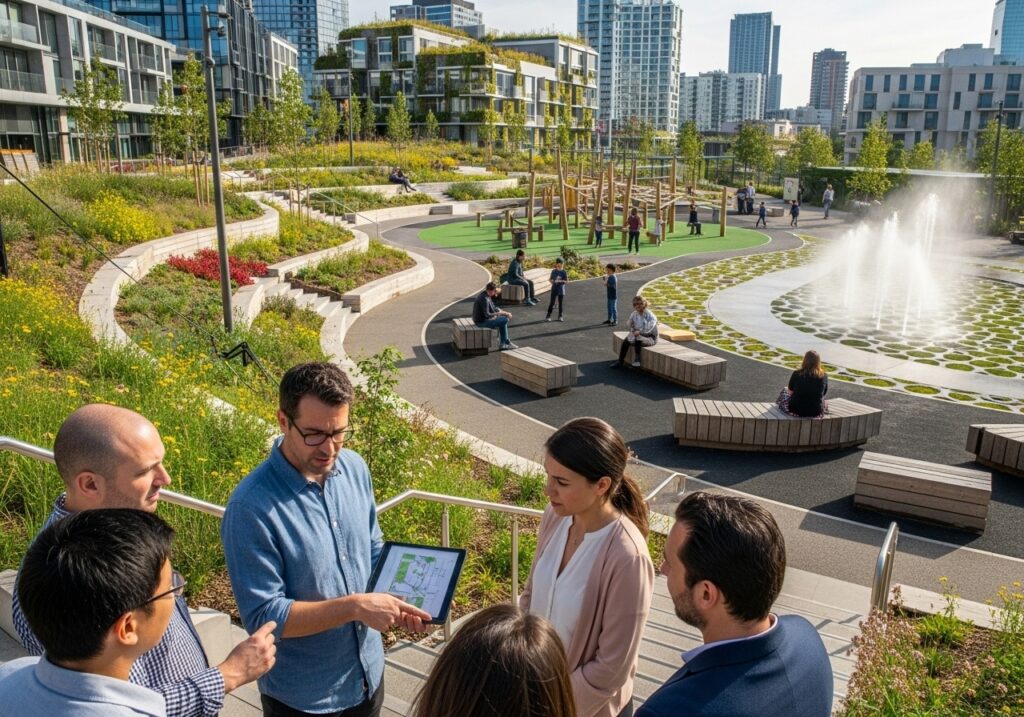
Transforming Historic Homes Outdoors: Balancing Heritage & Modern Function
As of 2025, the resurgence in preserving historic homes has led many homeowners to rethink their outdoor spaces. Transforming these areas involves a delicate balance: honoring the architectural heritage while incorporating modern functionality for contemporary living. Whether it’s a Victorian garden or a Colonial-era courtyard, updates can enhance usability without compromising character. This article explores strategies for revitalizing outdoor spaces in historic homes, focusing on landscaping, hardscaping, and sustainable integrations to create timeless yet practical environments.
Understanding Heritage Constraints
Historic homes often fall under preservation guidelines from organizations like the National Trust for Historic Preservation or local heritage boards. These rules protect original features, such as period fencing or native plantings, ensuring modifications respect the home’s era. For instance, altering a 19th-century facade might require approvals, but outdoor transformations offer more flexibility. Key is using materials that mimic originals—think reclaimed brick paths or wrought-iron gates—to maintain authenticity while adding elements like outdoor seating for family gatherings.
Landscaping: Blending Old and New
Landscaping is a prime area for transformation. Start by researching the home’s original garden style; Victorian homes might feature formal parterres, while Craftsman bungalows suit naturalistic plantings. Modern function comes through low-maintenance natives or drought-resistant species, aligning with 2025’s eco-trends. Incorporate smart irrigation systems that conserve water without visible tech, or vertical gardens on trellises to add greenery without altering ground structures. Pollinator-friendly plants boost biodiversity, honoring heritage gardens’ ecological roles while providing habitats for local wildlife.
Hardscaping: Functional Features with Historic Flair
Hardscaping elements like patios, walkways, and retaining walls can modernize outdoor spaces. Use permeable pavers to allow water infiltration, reducing runoff and complying with current environmental standards. For heritage balance, opt for stone or brick that matches the home’s exterior. Add modern touches like built-in benches with hidden storage or fire pits that double as gathering spots. In 2025, modular furniture allows reconfiguration for events, ensuring the space serves both daily relaxation and entertaining without permanent changes that could affect historic integrity.
Outdoor Living Spaces: Kitchens, Lighting, and Entertainment
Extend indoor living outdoors with kitchens or lounges tailored to historic aesthetics. Weather-resistant cabinetry in wood tones mimics period millwork, while stainless steel appliances hide behind panels. Solar-powered lighting preserves night skies and reduces energy use, with fixtures styled as gas lanterns for a vintage look. For entertainment, integrate subtle audio systems or projection screens that retract, keeping the focus on the home’s architecture. These additions enhance functionality for modern families, like remote work patios or yoga decks, while respecting the property’s historical narrative.
Sustainability: A Modern Imperative
In 2025, sustainability is non-negotiable. Rain gardens manage stormwater, native hedging provides privacy without invasive species, and composting areas promote zero-waste living. Heritage homes benefit from these updates, as they often align with original designs that emphasized harmony with nature. Certifications like LEED for landscapes can add value, appealing to eco-conscious buyers. Balancing this with heritage means avoiding synthetic materials, favoring reclaimed wood or recycled composites that blend seamlessly.
Final Thoughts
Transforming the outdoors of historic homes requires thoughtful planning to balance heritage preservation with modern needs. By consulting experts like landscape architects or heritage consultants, homeowners can create spaces that honor the past while embracing the future. In 2025, these transformations not only boost property value—up to 15% for well-designed outdoors—but also foster sustainable, functional living. Whether subtle updates or bold integrations, the key is respect for the home’s story.
FAQ
What are the first steps in transforming a historic home’s outdoor space?
Research the home’s architectural style and local preservation guidelines, then consult a heritage expert or landscape architect to ensure compliant designs.
How can I add modern features without altering heritage?
Use reversible elements like modular furniture or hidden tech, and materials that match originals, such as reclaimed stone or period-inspired lighting.
Are there grants for sustainable outdoor transformations?
Yes, programs like those from the EPA or local historic societies offer funding for eco-friendly updates, especially water conservation or native plantings.
Can outdoor transformations increase home value?
Absolutely—well-balanced updates can boost value by 10–15%, particularly if they enhance usability and sustainability for modern buyers.
What common mistakes should I avoid?
Avoid invasive plants or incompatible materials that could damage heritage features; always prioritize non-permanent changes for flexibility.