
Milan, February 9, 2026
Protests against the Winter Olympics in Milan have sparked significant unrest, as nearly 10,000 demonstrators voiced their concerns over environmental issues and housing costs. Prime Minister Giorgia Meloni condemned those causing violence, emphasizing the impact of civic dissent on Italy’s national pride. Additionally, railway sabotage incidents have drawn attention, prompting a terrorism investigation. The situation reflects the delicate balance between community engagement and the execution of large-scale events while raising questions about the effectiveness of government responses to public sentiment.
Meloni Condemns Anti-Olympics Actions in Milan
Protests and Sabotage Challenge Italian Olympic Spirit
San Antonio, TX – The heart of Italy is facing significant unrest as protests against the upcoming Winter Olympics in Milan highlight the tension between civic engagement and the execution of grand-scale events. Italian Prime Minister Giorgia Meloni’s strong condemnation of those she labels “enemies of Italy” following violent demonstrations underscores the challenges faced by governments in managing public dissent while striving for national pride through high-profile events.
The protests, occurring on the opening of the 2026 Winter Olympics, serve as a reminder of the balancing act between fostering community voice and ensuring that large-scale celebrations of sports and culture can take place without incident. Could a streamlined approach to event management and support from local leadership help alleviate such conflicts? This scenario raises interesting questions about the dynamics of participation and concern within the community.
Protests and Clashes in Milan
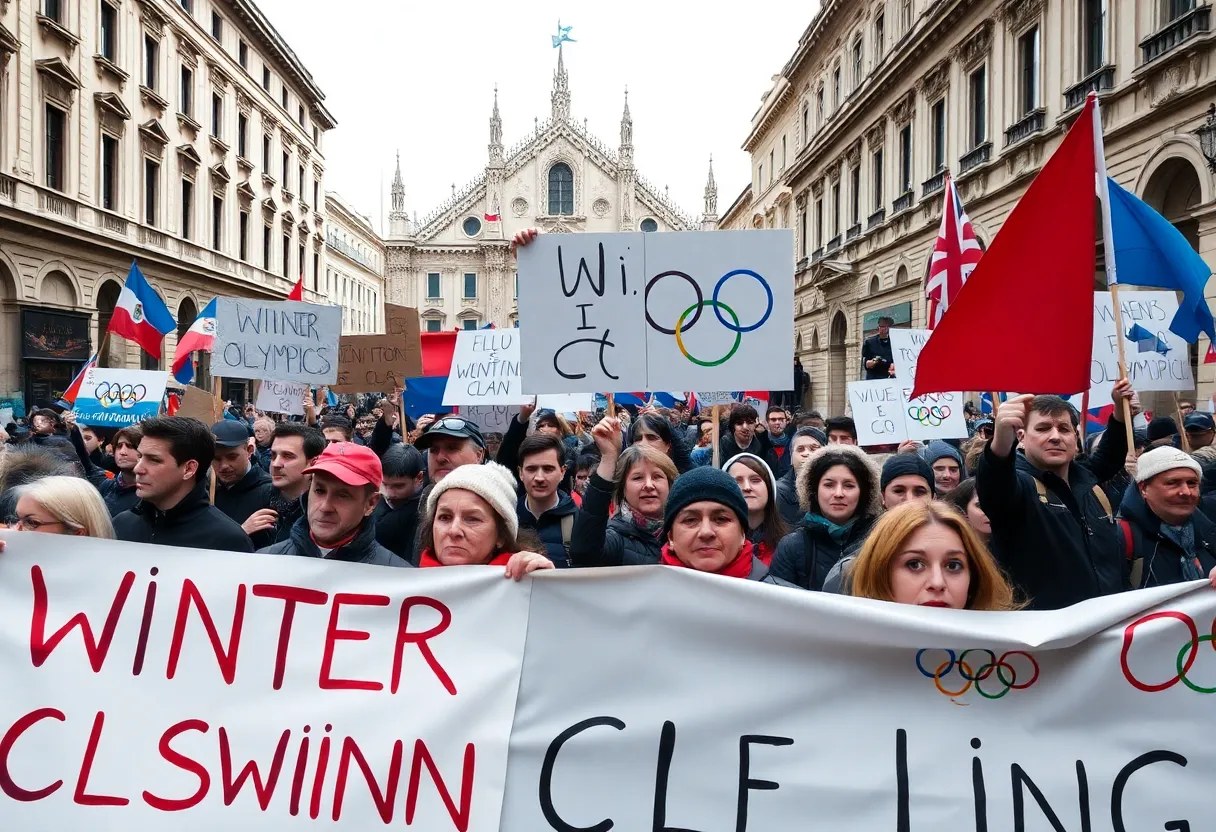
On February 7, 2026, a considerable turnout of approximately 10,000 individuals marched through the streets of Milan, expressing their opposition to the environmental effects and increased housing costs connected with the Olympics. While the demonstration began peacefully, a smaller faction escalated tensions by throwing objects at police, leading to clashes that resulted in six arrests. The chaos prompted the International Olympic Committee (IOC) to express disapproval, emphasizing that violence is unwelcome at the Games.
Railway Sabotage and Investigation
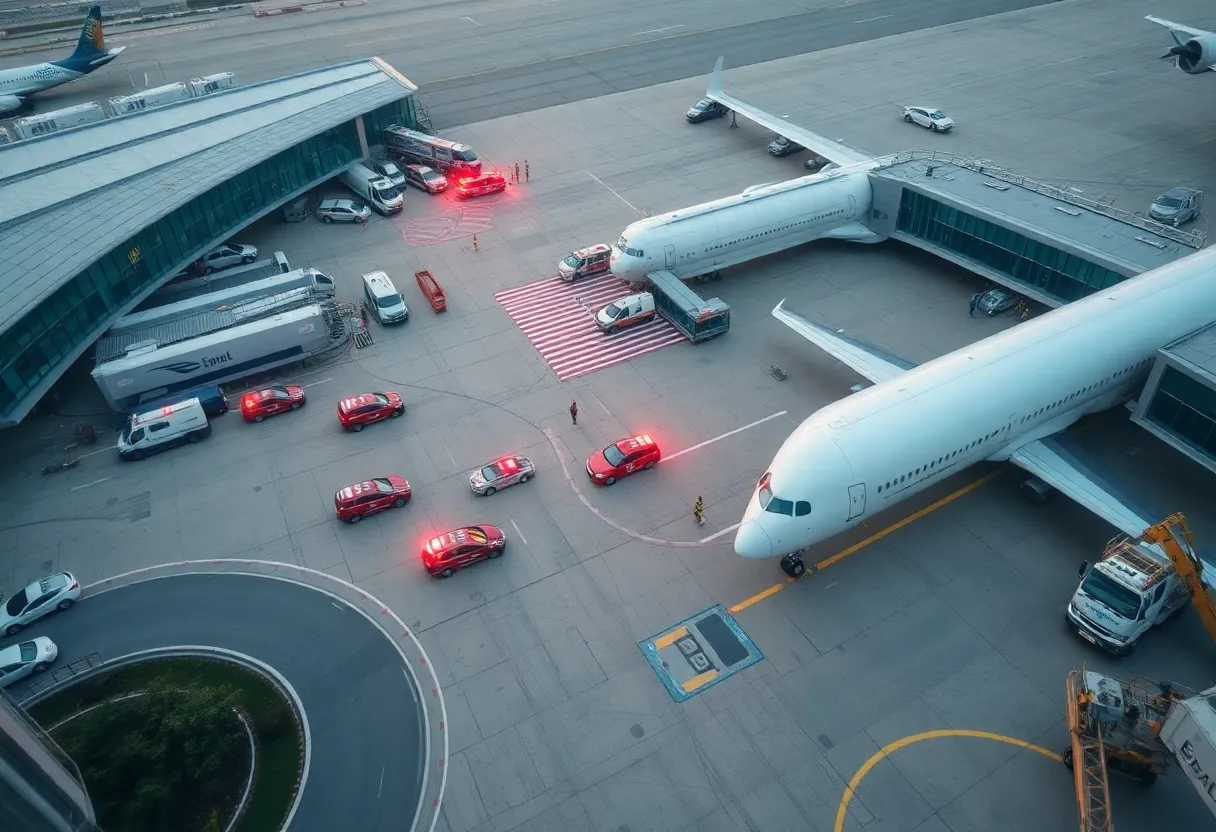
In a concerning development, the Italian transport ministry reported deliberate sabotage of several railway lines, including the Bologna-Venice route. This incident caused significant travel disruptions, affecting thousands of passengers. A terrorism investigation is underway, with the government committed to holding those responsible accountable. Prime Minister Meloni voiced her support for law enforcement and those impacted by these actions.
Background Context
The demonstrations are rooted in broader social concerns, particularly regarding the perceived financial burden and environmental implications of hosting the Winter Olympics. While peaceful protest is a democratic expression, the violent outbreaks have drawn the ire of governmental bodies. The IOC has reiterated its stance that peaceful protest is acceptable but must not cross into violence.
Government Response and Security Measures
The Italian government’s decisive actions in response to the unrest included the passage of a new security decree allowing police to detain individuals for up to 12 hours if they are deemed likely to disrupt peaceful protests. While intended to maintain order, this response has drawn mixed reactions, with opposition parties voicing concerns regarding potential overreach into the realm of free expression. Moreover, a considerable security presence of approximately 6,000 personnel, encompassing bomb disposal experts and anti-terrorism units, has been established at Olympic venues to safeguard participants and attendees alike.
International Reactions
The situation in Milan has captured worldwide attention, prompting comments and concerns from the international community. The United States has specifically noted the presence of U.S. Immigration and Customs Enforcement (ICE) agents within diplomatic facilities in Italy, which has become a topic of controversy among demonstrators. Assertions from the U.S. government clarified that these agents are not undertaking enforcement activities during the Olympic events.
Conclusion
The unrest in Milan points to the multifaceted challenges cities face when hosting international events such as the Winter Olympics. While the government aims for operational success through strict security and clear communication, community engagement remains critical. An emphasis on local leadership and a more nuanced understanding of public sentiment could potentially pave the way for a more harmonious coexistence between civic concerns and the celebration of sporting excellence. Readers are encouraged to remain involved in community discussions and local advancements relevant to San Antonio as our own events approach.
Frequently Asked Questions (FAQ)
What were the main causes of the protests in Milan?
The protests were driven by concerns over the environmental impact and housing costs associated with the upcoming Winter Olympics, as well as opposition to the presence of U.S. Immigration and Customs Enforcement (ICE) agents in Italy.
How did the Italian government respond to the protests?
The Italian government condemned the violence, labeled the perpetrators as “enemies of Italy and Italians,” and approved a new security decree allowing police to detain individuals for up to 12 hours if they are suspected of disrupting peaceful protests.
What security measures have been implemented during the Winter Olympics?
Approximately 6,000 security personnel, including bomb disposal experts, snipers, and anti-terrorism units, have been deployed across Olympic venues to ensure safety during the Games.
What is the International Olympic Committee’s stance on the protests?
The International Olympic Committee emphasized that while peaceful protest is legitimate, violence has no place at the Olympic Games and condemned the recent violent actions in Milan.
How has the United States responded to the protests?
The U.S. government has expressed concern over the protests, particularly regarding the presence of ICE agents in Italy, and clarified that these agents are not involved in enforcement actions during the Olympics.
Key Features of the Article
| Feature | Description |
|---|---|
| Protests in Milan | Approximately 10,000 demonstrators marched against the Winter Olympics, leading to clashes with police and six arrests. |
| Railway Sabotage | Synchronized sabotage of railway lines in northern Italy caused significant delays; a terrorism investigation has been initiated. |
| Government Response | The Italian government condemned the violence, labeled perpetrators as “enemies of Italy,” and approved a new security decree allowing police detentions. |
| Security Measures | Approximately 6,000 security personnel, including bomb disposal experts, snipers, and anti-terrorism units, have been deployed across Olympic venues. |
| International Reactions | The International Olympic Committee condemned the violence, and the U.S. government clarified that ICE agents are not involved in enforcement actions during the Olympics. |
Deeper Dive: News & Info About This Topic
HERE Resources
Dallas Stars Break Losing Streak with Impressive Victory

Author: STAFF HERE SAN ANTONIO WRITER
The SAN ANTONIO STAFF WRITER represents the experienced team at HERESanAntonio.com, your go-to source for actionable local news and information in San Antonio, Bexar County, and beyond. Specializing in "news you can use," we cover essential topics like product reviews for personal and business needs, local business directories, politics, real estate trends, neighborhood insights, and state news affecting the area—with deep expertise drawn from years of dedicated reporting and strong community input, including local press releases and business updates. We deliver top reporting on high-value events such as Fiesta San Antonio, San Antonio Stock Show & Rodeo, and Dia de los Muertos. Our coverage extends to key organizations like the Greater San Antonio Chamber of Commerce and United Way of San Antonio and Bexar County, plus leading businesses in retail, insurance, and energy that power the local economy such as H-E-B, USAA, and Valero Energy. As part of the broader HERE network, including HEREAustinTX.com, HERECollegeStation.com, HEREDallas.com, and HEREHouston.com, we provide comprehensive, credible insights into Texas's dynamic landscape.