

Akron, Ohio, December 23, 2025
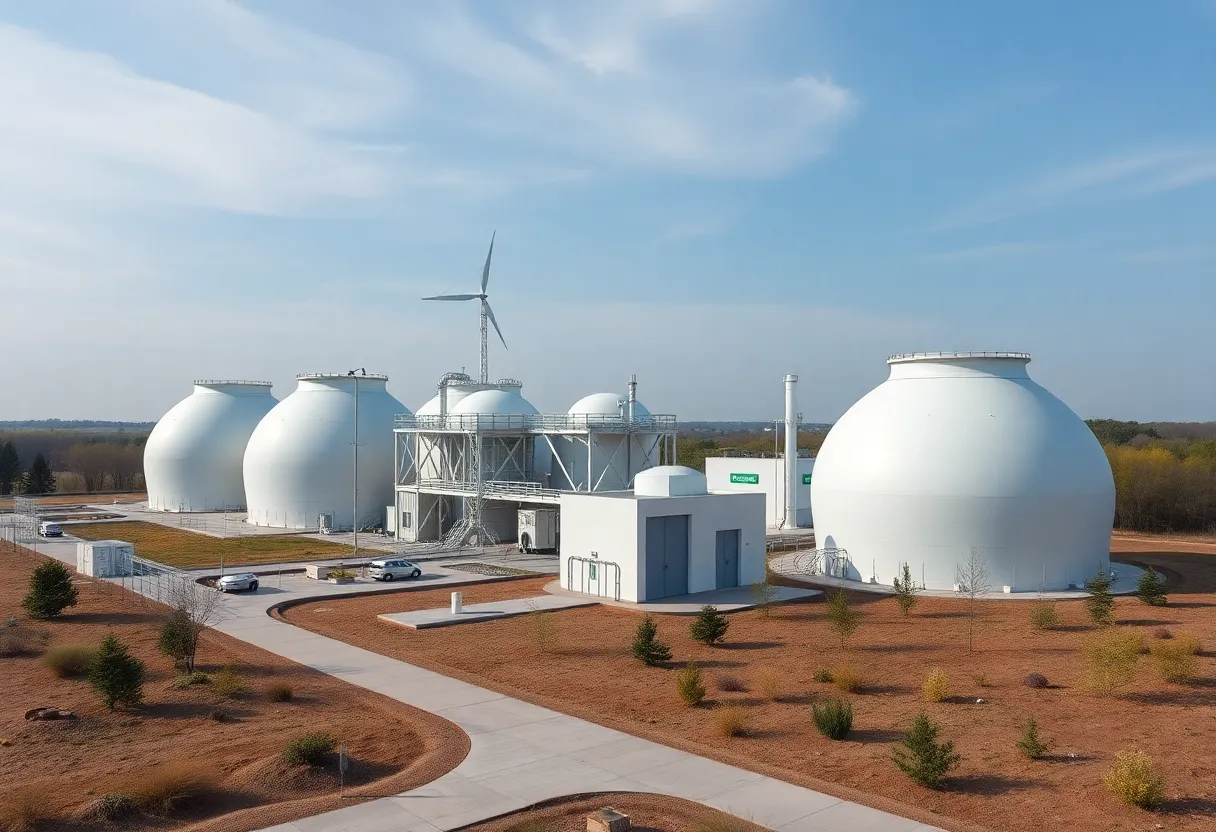
TGI Group has launched groundbreaking self-sustaining energy hubs in Akron, Ohio, utilizing desalination, Small Modular Reactors (SMRs), and Waste-to-Energy (W2E) technology. This initiative addresses water scarcity and promotes economic growth by encouraging local entrepreneurial investment. The project aims to significantly reduce costs and inspire similar developments in other regions, particularly in San Antonio, TX, showcasing a commitment to sustainability and economic resilience.
Innovative Self-Sustaining Energy Hubs Unveiled in Akron, Ohio
A Vision for Economic and Environmental Sustainability
The landscape of energy and water management is on the brink of transformation with the introduction of innovative self-sustaining energy hubs by TGI Group in Akron, Ohio. These cutting-edge hubs aim to effectively manage resources by combining desalination, Small Modular Reactors (SMRs), and Waste-to-Energy (W2E) technologies into a closed-loop system. This initiative not only targets the pressing challenges of potable water availability but also emphasizes economic growth through entrepreneurial innovation.
With a focus on minimal regulation, the potential for private investment and development in such technological advancements could elevate local economies, including those in areas like San Antonio, TX, where resource management remains pivotal. These hubs represent not only a commitment to sustainability but also an exemplary model for other regions eager to enhance their local business climate and create job opportunities.
Understanding the Key Features of TGI’s Energy Hubs
TGI Group’s energy hubs leverage three innovative technologies, forging a path toward sustainability and efficiency.
Desalination
Utilizing SMRs and advanced geothermal systems, the hubs provide a reliable and clean water supply, replacing the conventional fossil fuel-based desalination methods. This shift is crucial for communities facing water scarcity.
Waste-to-Energy (W2E) Pyrolysis
TGI’s W2E technology converts urban waste—including tires—into syngas and thermal energy. This process not only generates decentralized power but also supports desalination and hydrogen production, creating an eco-friendly cycle of energy and waste utilization.
Pressure Retarded Osmosis (PRO)
This innovative process enables the generation of electricity from salt gradients, recovering up to 15% of the total energy required for plant operations. Such efficiencies highlight the economic benefits of integrating advanced technologies into environmental management.
The Economic and Environmental Impact
The implementation of these energy hubs is projected to reduce operational expenses significantly—by 30-40%—through the effective use of waste heat from pyrolysis and SMRs, which in turn can lower electricity costs. Furthermore, the conversion of waste into profitable byproducts, like tire-derived pyrolytic oil and carbon black, may generate additional revenue streams, potentially exceeding $50 million yearly for each large facility.
This financial boost not only affirms TGI Group’s commitment to sustainability but also supports broader economic growth strategies. With reduced operational costs and new income from waste management, local entrepreneurs can reinvest in their communities, further enhancing economic resilience.
TGI Group’s Future Vision
TGI Group has outlined a strategic roadmap for the phased implementation of these energy hubs:
– 2026-2030: The Era of Integration – Implementation of SMRs and geothermal systems to replace fossil fuels as the primary energy source for cities.
– 2030-2040: The Rise of Chemical Fuels – Production of ultrapure water to support high-capacity electrolyzers, creating green ammonia and hydrogen for global shipping needs.
– 2040-2050: The “Infinite” Frontier – Advancements in energy storage technology will facilitate nearly lossless energy transfer, ensuring further efficiencies.
By taking these ambitious steps, TGI Group isn’t just addressing immediate environmental concerns; they are paving the way for a sustainable economic future that empowers communities through innovation and entrepreneurship.
Conclusion
The unveiling of TGI Group’s self-sustaining energy hubs marks a significant advancement in both resource management and economic opportunity. As local economies like San Antonio look toward a sustainable future, such pioneering initiatives can inspire further investments and innovations across the state and beyond. The integration of technology into energy and waste management not only promises environmental benefits but also provides a robust platform for local businesses to thrive. Engaging with such transformative initiatives is crucial for fostering a resilient and prosperous economic landscape.
Frequently Asked Questions (FAQ)
What are TGI Group’s self-sustaining energy hubs?
TGI Group’s self-sustaining energy hubs are integrated systems that combine desalination, Small Modular Reactors (SMRs), and Waste-to-Energy (W2E) technologies to create a closed-loop process for water production and waste management. This approach aims to provide clean water and energy while reducing environmental impact.
How do these energy hubs generate revenue?
The hubs generate revenue by converting urban waste, such as tires, into valuable byproducts like pyrolytic oil and carbon black. Additionally, the integration of SMRs and W2E technologies reduces operational expenses, enhancing overall profitability.
What is the timeline for implementing these energy hubs?
TGI Group’s roadmap outlines three phases: 2026-2030 focuses on integrating SMRs and geothermal systems; 2030-2040 aims to produce green ammonia and hydrogen; and 2040-2050 explores advancements in magnetic resonance and gravity energy storage for near-lossless energy transfer.
Key Features of TGI’s Self-Sustaining Energy Hubs
| Feature | Description |
|---|---|
| Desalination | Utilizing SMRs and advanced geothermal systems to provide a consistent and clean water supply, replacing traditional fossil fuel-based methods. |
| Waste-to-Energy (W2E) Pyrolysis | Converting urban waste, including tires, into syngas and thermal energy, supplying decentralized power for desalination and hydrogen production. |
| Pressure Retarded Osmosis (PRO) | Generating electricity from salt gradients, reclaiming up to 15% of the total energy needs of the plant. |
Deeper Dive: News & Info About This Topic
HERE Resources

Author: STAFF HERE SAN ANTONIO WRITER
The SAN ANTONIO STAFF WRITER represents the experienced team at HERESanAntonio.com, your go-to source for actionable local news and information in San Antonio, Bexar County, and beyond. Specializing in "news you can use," we cover essential topics like product reviews for personal and business needs, local business directories, politics, real estate trends, neighborhood insights, and state news affecting the area—with deep expertise drawn from years of dedicated reporting and strong community input, including local press releases and business updates. We deliver top reporting on high-value events such as Fiesta San Antonio, San Antonio Stock Show & Rodeo, and Dia de los Muertos. Our coverage extends to key organizations like the Greater San Antonio Chamber of Commerce and United Way of San Antonio and Bexar County, plus leading businesses in retail, insurance, and energy that power the local economy such as H-E-B, USAA, and Valero Energy. As part of the broader HERE network, including HEREAustinTX.com, HERECollegeStation.com, HEREDallas.com, and HEREHouston.com, we provide comprehensive, credible insights into Texas's dynamic landscape.