

News Summary
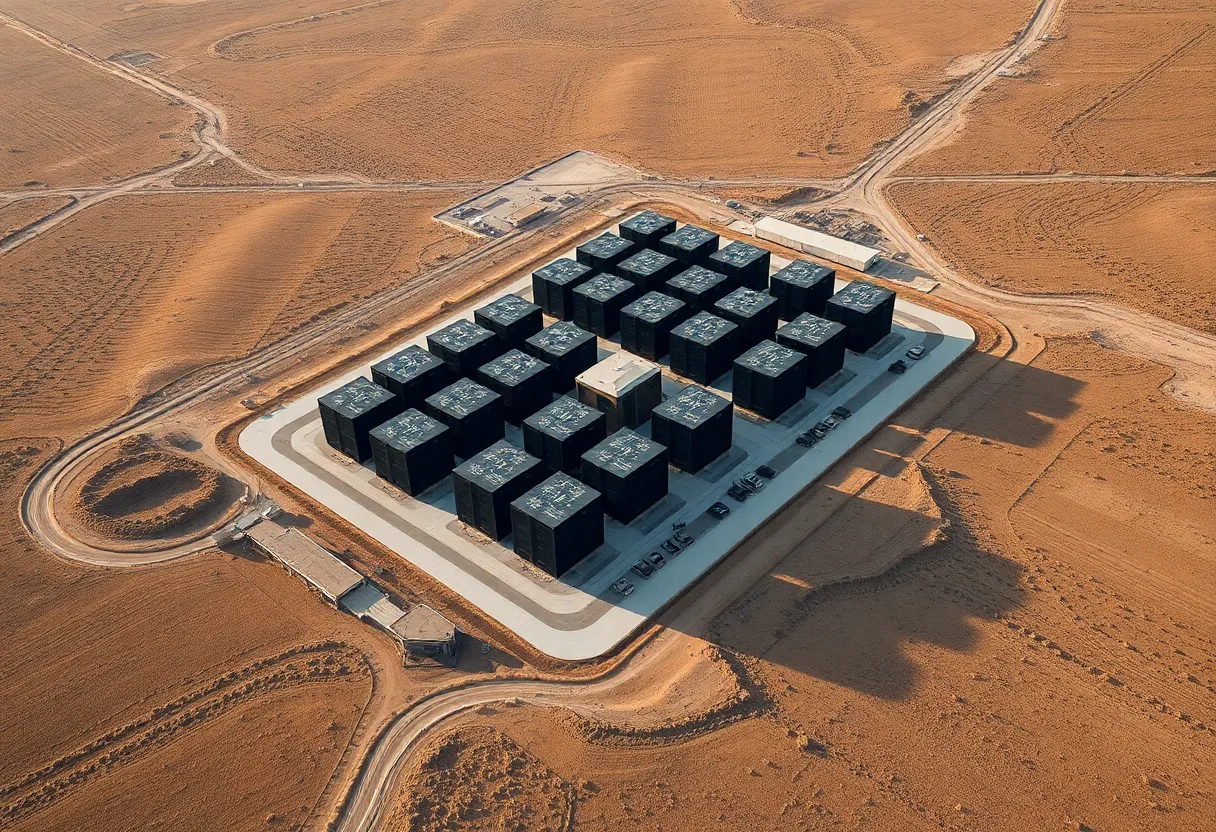
Texas is experiencing a significant rise in data centers, which is creating thousands of jobs and attracting tech investments. However, this growth raises serious concerns about water consumption amidst ongoing drought conditions. Large data centers require water for cooling, with projections indicating a potential increase in usage to 399 billion gallons by 2030. This situation poses risks for the state’s agriculture and overall water supply, intensifying calls for regulatory measures to ensure sustainable practices.
Texas Faces Data Center Boom Amid Drought Concerns
In Texas, the rapid expansion of data centers has sparked both excitement over job opportunities and serious concerns regarding their environmental impact, especially in light of ongoing drought conditions. As the state becomes an attractive destination for tech companies, the issue of water usage has emerged as a significant topic of discussion.
According to a recent report from the Data Center Coalition, data centers contributed approximately 500,000 jobs and generated $35 billion in labor income across Texas in 2023. The state’s favorable business climate, independent energy grid, and growing tech scene make it a prime location for data center development. However, this growth comes at a time when Texas is grappling with severe drought, prompting scrutiny over the large amounts of water these facilities consume.
Water Usage and Drought Impact
Data centers require substantial amounts of water for cooling purposes. For instance, data centers operated by tech giants like Microsoft and the Army Corps in San Antonio used 463 million gallons of water over two years. This usage raises alarm, particularly as local residents have faced restrictions on non-essential water use, such as lawn watering. Projections indicate that by the end of 2025, Texas data centers could use around 49 billion gallons of water, with expectations reaching 399 billion gallons by 2030, which would represent roughly 7% of the state’s total projected water needs.
The growing demand from data centers has generated fear among agricultural stakeholders, given that Texas Agriculture generates approximately $861 billion in economic activity. With millions employed in this sector, water availability is critical to maintaining the agricultural supply chain. Compounding issues of water scarcity, climate change threatens to impact dairy production and crop yields as Texas experiences extreme weather patterns, such as intense storms and extended dry spells.
Regulatory Landscape and Future Projections
Currently, Texas lacks explicit laws regulating the water usage of data centers, raising concerns that unchecked consumption could further strain water resources vital for agriculture and other sectors. In light of these issues, Texas lawmakers recently empowered the Electric Reliability Council of Texas (ERCOT) to restrict electricity access for users with high energy demands, such as data centers, during emergencies. Meanwhile, the state’s water management plan will not be finalized until 2027, intensifying worries over potential oversight regarding data centers’ water use.
In efforts to promote water conservation, San Antonio has launched an initiative to pay residents to replace traditional lawns with native gardens. However, critics argue that more stringent regulations are necessary to govern water consumption amid the construction boom of data centers. The state’s energy demands will need to double to meet anticipated growth, leading to projections of electricity rate hikes for average consumers of roughly 8% by 2030, while certain regions might see increases of around 25%.
Corporate Investments and Environmental Concerns
Large-scale investments by companies such as Vantage Data Centers, which plans to invest $25 billion in the Frontier Campus located in Texas, will likely create local jobs and tax revenue. However, these developments also carry substantial water usage implications, exacerbating the state’s existing drought challenges. Environmental groups have raised alarms over the potential depletion of water in already stressed regions, given that major tech firms like Amazon, Microsoft, Google, and Meta control 42% of U.S. data center capacity.
The rapidly expanding footprint of data centers presents a complex challenge for Texas, with calls for regulatory interventions to better manage water use as concerns about the state’s long-term water strategy grow.
What are the key concerns regarding data centers in Texas?
The key concerns are their significant water consumption amid ongoing drought conditions, potential impacts on agriculture and food supply, increased energy demands, and lack of specific regulations governing their water usage.
How much water do Texas data centers project to use by 2030?
Texas data centers are projected to use about 399 billion gallons of water by 2030.
What measures are being considered to address water usage by data centers?
Lawmakers have empowered ERCOT to limit electricity access for high-demand users. Additionally, local initiatives such as encouraging residents to plant native gardens aim to promote water conservation.
Why is water availability crucial for Texas agriculture?
Texas agriculture contributes nearly $861 billion to the state’s economy and employs millions of people, making sustainable water availability vital for crop production and livestock management.
| Feature | Details |
|---|---|
| Job Creation | Approximately 500,000 jobs supported by data centers |
| Labor Income | Generated $35 billion in 2023 |
| Projected Water Usage by 2030 | 399 billion gallons |
| Impact on Agriculture | Vital resource with $861 billion economic activity |
| Energy Demand Growth | Projected increase in electricity rates by 8% |
| Date/Time | Event | Status |
|---|---|---|
| 2023 | Data Center Coalition Report Released | Awareness Raised |
| 2025 | Projected Water Usage Reached 49 Billion Gallons | Expected |
| 2030 | Data Centers Expected to Use 399 Billion Gallons | Projected |
| 2027 | Texas Water Management Plan Finalization | Upcoming |
Deeper Dive: News & Info About This Topic
HERE Resources
Texas Leads the Nation in Job Growth
San Antonio City Council to Vote on Spurs Arena Funding
Mayor Proposes Pause on Spurs Arena Funding Decision
Adom Industries to Invest $229.2 Million in Fort Worth
Texas Data Centers: Balancing Growth with Water Concerns
Construction ERP Single Database Platform: A Comprehensive Guide for San Antonio Construction Businesses
Construction ERP Guide for San Antonio Businesses
Apple Makes Major Investment in U.S. Manufacturing
Houston to Welcome New Power Plant: A Bright Future Ahead
Samsung Electronics Struggles Amidst Texas Expansion
Additional Resources
- San Antonio Current
- Wikipedia: Data Center
- CNET
- Google Search: Impact of Data Centers on Water Resources
- Carbon Credits
- Google Scholar: Data Centers and Environmental Impact
- Austin Chronicle
- Encyclopedia Britannica: Water Usage in Technology
- The Cool Down
- Google News: Texas Data Centers and Drought


Author: STAFF HERE SAN ANTONIO WRITER
The SAN ANTONIO STAFF WRITER represents the experienced team at HERESanAntonio.com, your go-to source for actionable local news and information in San Antonio, Bexar County, and beyond. Specializing in "news you can use," we cover essential topics like product reviews for personal and business needs, local business directories, politics, real estate trends, neighborhood insights, and state news affecting the area—with deep expertise drawn from years of dedicated reporting and strong community input, including local press releases and business updates. We deliver top reporting on high-value events such as Fiesta San Antonio, San Antonio Stock Show & Rodeo, and Dia de los Muertos. Our coverage extends to key organizations like the Greater San Antonio Chamber of Commerce and United Way of San Antonio and Bexar County, plus leading businesses in retail, insurance, and energy that power the local economy such as H-E-B, USAA, and Valero Energy. As part of the broader HERE network, including HEREAustinTX.com, HERECollegeStation.com, HEREDallas.com, and HEREHouston.com, we provide comprehensive, credible insights into Texas's dynamic landscape.