
San Antonio, TX, December 12, 2025
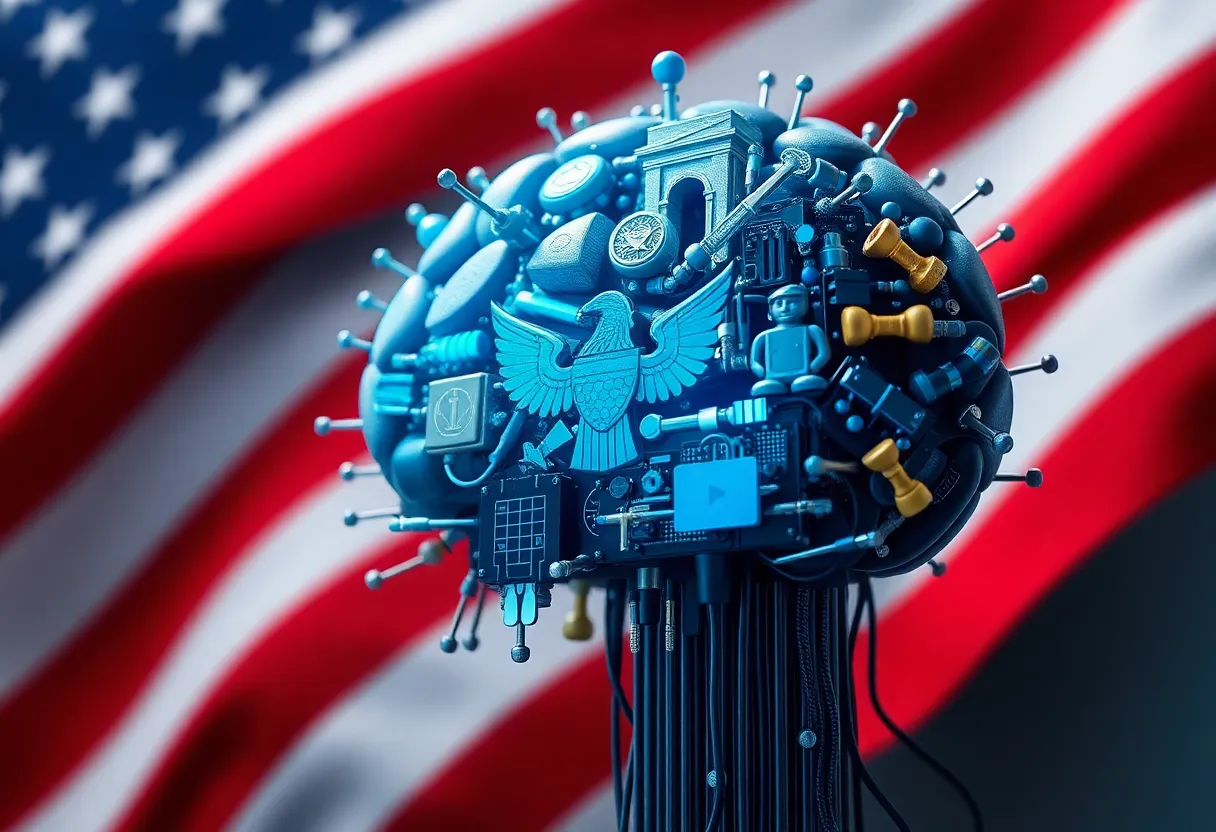
In a significant move to streamline artificial intelligence regulations, President Trump has signed an executive order aimed at establishing a unified national framework for AI across the U.S. The order intends to prevent individual states from enacting their own laws, which could hinder innovation and competitiveness, especially against China. While it seeks to foster AI development, the order faces criticism from lawmakers and advocacy groups concerned about the potential impacts on state autonomy and consumer protections.
San Antonio, TX – On December 11, 2025, President Donald Trump signed an executive order designed to standardize regulations surrounding artificial intelligence (AI) across the United States. This action addresses concerns that allowing individual states to implement their own AI laws could create a confusing patchwork of regulations that would undermine American competitiveness in the AI sector, especially in relation to China.
The executive order mandates that the Attorney General form an AI Litigation Task Force to challenge any state regulations seen as unconstitutional or detrimental to innovation. Additionally, the Secretary of Commerce is instructed to scrutinize state AI laws that may conflict with national economic strategies, with the potential consequence of withholding federal broadband funding from states that do not comply. This move signals a strategic effort to bolster a cohesive, national framework for AI that can drive innovation and investment.
While the intention behind the order is to streamline AI development and deployment, it faces pushback from various lawmakers and advocacy groups. Critics argue that state regulations play a crucial role in safeguarding civil liberties and protecting consumers, particularly regarding data privacy and algorithmic transparency. States like California, Colorado, Utah, and Texas have already instituted AI regulations to ensure greater transparency and limit the misuse of personal data in AI systems.
### The Implications of a Unified National Approach
The implications of this executive order extend far beyond regulatory control; they speak directly to the dynamism of the American economy. By countering burdensome state regulations, the administration aims to foster an environment conducive to rapid innovation in AI technologies. This may attract private investment and instigate the growth of startups, thereby creating more job opportunities for local communities.
Moreover, proponents of the order assert that a singular federal focus on AI would better position the United States to compete on the world stage. With China making significant strides in the development of AI technologies, ensuring that American businesses operate under a cohesive set of guidelines is increasingly viewed as a necessity.
### The Balancing Act of Federal Oversight
However, the proactive nature of federal oversight raises questions about the balance of power between state and federal authorities. States argue that they should have the autonomy to craft regulations that reflect their individual needs and values. The order’s critics cite concerns that overriding state laws may eliminate critical consumer protections and transparency measures already in place. As some Texas entrepreneurs and small business owners express concerns, the potential for federal overreach could hinder localized innovation that thrives on adaptability and responsiveness to community needs.
### Key Features of the Executive Order
| Feature | Description |
|---|---|
| AI Litigation Task Force | Established to challenge state laws deemed unconstitutional or harmful to innovation. |
| Evaluation of State Regulations | Secretary of Commerce tasked with assessing state AI laws that conflict with national priorities. |
| Potential Funding Withholding | Non-compliant states may face withholding of federal broadband funding. |
| Focus on Innovation | Aims to prevent state regulations from stifling AI innovation and global competitiveness. |
| Legal Challenges Expected | Anticipates legal disputes from states asserting their rights to regulate within their jurisdictions. |
### Conclusion
As the nation stands at the crossroads of technological advancement and regulatory frameworks, stakeholders from diverse sectors will be keenly observing the impact of this executive order on the future landscape of artificial intelligence in the United States. Engaging local communities in discussions about the implications of AI will not only promote informed public dialogue but also spotlight the importance of supporting local businesses that may be affected by broader federal regulations.
While the push for a unified AI regulatory framework may streamline innovation, it will be crucial for lawmakers to ensure that the balance between federal oversight and state autonomy is carefully maintained. The San Antonio business community, along with entrepreneurs across Texas, continues to demonstrate remarkable resilience and adaptability, navigating and driving economic growth—even amid evolving regulatory environments.
Frequently Asked Questions (FAQ)
What is the purpose of President Trump’s executive order on AI?
The executive order aims to prevent individual U.S. states from enacting their own regulations on artificial intelligence, advocating for a unified national approach to maintain global competitiveness, particularly against China.
What actions does the executive order mandate?
The order directs the Attorney General to establish an AI Litigation Task Force to challenge state laws deemed unconstitutional or harmful to innovation. It also tasks the Secretary of Commerce with evaluating state AI regulations that conflict with national priorities, with the potential to withhold federal broadband funding from non-compliant states.
Which states have implemented AI regulations?
States like California, Colorado, Utah, and Texas have already enacted AI laws mandating transparency and restrictions on the use of personal data in AI systems.
What are the concerns regarding the executive order?
Critics argue that the order could undermine state-level regulations essential for protecting civil liberties and consumers, especially in areas such as data privacy and algorithmic transparency.
What is the expected impact of the executive order?
The order is expected to streamline AI development and deployment but may face legal challenges from states asserting their rights to regulate within their jurisdictions.
Deeper Dive: News & Info About This Topic
HERE Resources
6ixty Wings Expands with New Location in San Antonio
Texas Cuts Environmental Budget Significantly
New Braunfels Approves Walmart Distribution Center Expansion
Historic Faust Hotel to Reopen After Major Renovation
Massive Egg Recall Hits San Antonio Amid Salmonella Concerns
Dallas Implements Comprehensive Vaping Ban to Safeguard Public Health
Firework Bans Expand Across San Antonio Area Ahead of New Year’s Eve
Economic Challenges from Traffic Decline at Donna International Bridge
ERCOT Faces Surge in Data Center Energy Demand
ERCOT Addresses Rising Energy Demands from Data Centers

Author: STAFF HERE SAN ANTONIO WRITER
The SAN ANTONIO STAFF WRITER represents the experienced team at HERESanAntonio.com, your go-to source for actionable local news and information in San Antonio, Bexar County, and beyond. Specializing in "news you can use," we cover essential topics like product reviews for personal and business needs, local business directories, politics, real estate trends, neighborhood insights, and state news affecting the area—with deep expertise drawn from years of dedicated reporting and strong community input, including local press releases and business updates. We deliver top reporting on high-value events such as Fiesta San Antonio, San Antonio Stock Show & Rodeo, and Dia de los Muertos. Our coverage extends to key organizations like the Greater San Antonio Chamber of Commerce and United Way of San Antonio and Bexar County, plus leading businesses in retail, insurance, and energy that power the local economy such as H-E-B, USAA, and Valero Energy. As part of the broader HERE network, including HEREAustinTX.com, HERECollegeStation.com, HEREDallas.com, and HEREHouston.com, we provide comprehensive, credible insights into Texas's dynamic landscape.