

San Antonio, TX, December 17, 2025
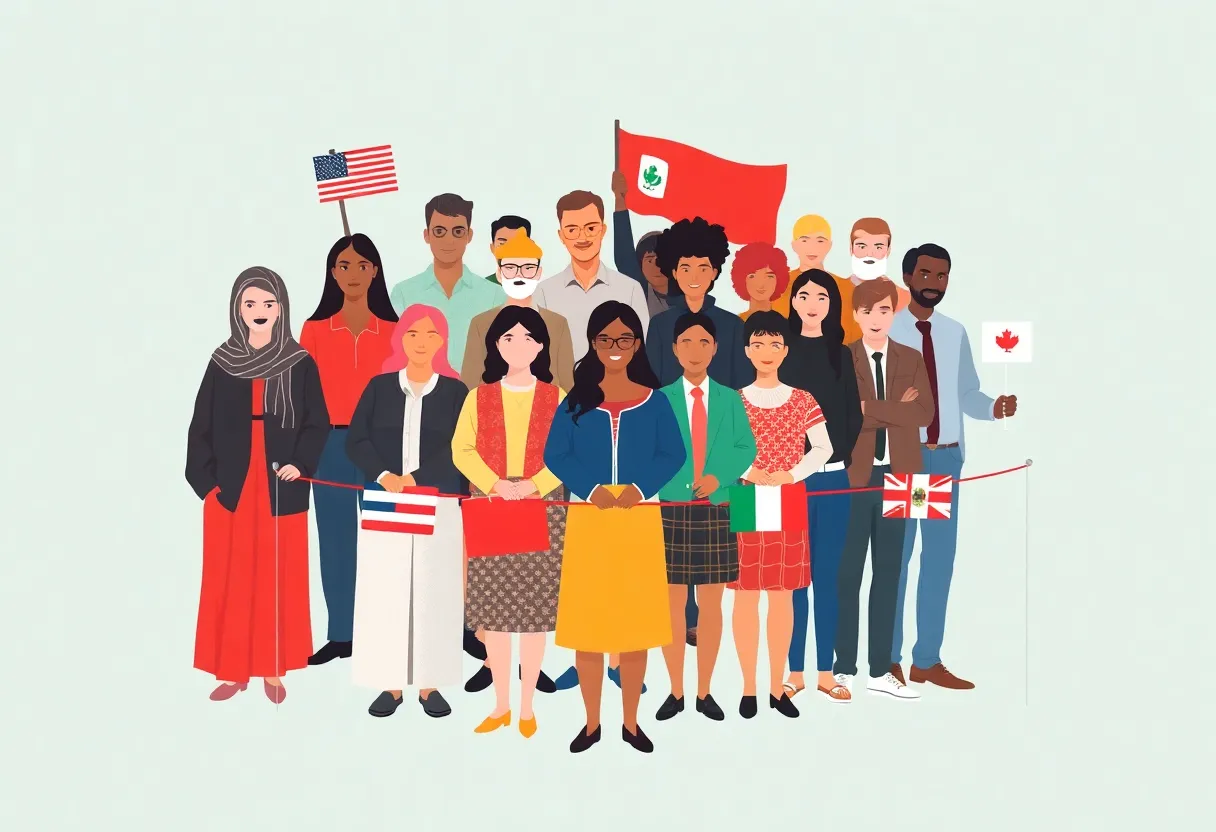
President Donald Trump has expanded the U.S. travel ban to include seven new countries, including Syria and Burkina Faso, while also limiting entry for Palestinian Authority passport holders. This decision, effective January 1, 2026, raises discussions on national security and human rights. Local businesses and potential immigrants face new challenges and opportunities as the policy changes. With over 39 affected countries now, stakeholders must advocate for balanced immigration policies that promote security without compromising human rights.
Travel Ban Expansion: What It Means for U.S. Immigration Policy
The latest executive decision affects additional countries and Palestinian Authority passport holders, stirring debate over national security and human rights.
San Antonio, TX – The landscape of U.S. immigration policy is once again shifting as President Donald Trump has expanded the travel ban to incorporate seven new countries along with a notable limitation on individuals traveling on Palestinian Authority-issued documents. These changes, citing national security concerns, will take effect on January 1, 2026, and add countries that are often struggling with governance and security issues to a list that previously included nations like Afghanistan and Iran.
In times when economic stability relies heavily on robust policies, this move can be seen through multiple lenses. Local entrepreneurs and business leaders might appreciate stringent measures aimed at securing U.S. borders, but they must also navigate the nuances of these changes and the potential impacts on their global partnerships. Reduced regulatory barriers can facilitate smoother business operations that rely on international trade and travel, but overly restrictive immigration policies might raise concerns about the plight of individuals from nations that are now affected.
Expansion of the Travel Ban
The travel ban now includes Syria, Burkina Faso, Mali, Niger, South Sudan, Laos, and Sierra Leone, marking a significant increase from the previous list of 12 banned countries. The decision was driven primarily by concerns over these nations’ ability to provide adequate national security measures, including screening and vetting protocols. With this expansion, the total number of affected countries has jumped to 39, signifying a considerable tightening of U.S. immigration policy.
Concerns about Targeting
This latest expansion of the travel ban has spurred criticism from various legal and human rights organizations who argue that such a policy targets individuals based on their nationality rather than identifying specific security threats. These critics emphasize that broad bans could disproportionately affect innocent civilians seeking refuge and opportunity in the United States. Maintaining a balance between ensuring national security and upholding the values of justice and fairness is essential for the integrity of the immigration process.
Exemptions and Special Cases
Individuals who already hold certain visas, permanent residents, diplomats, and athletes will be exempt from these new travel restrictions. This exemption underscores the need to maintain connections with those who play vital roles in both cultural exchange and business endeavors. Therefore, many stakeholders may still have pathways to bolster their contributions, enhancing the entrepreneurial spirit that is integral to communities like San Antonio.
Internal Dynamics and Policy Reflection
In a related context, White House Chief of Staff Susie Wiles has shed light on internal dynamics in the Trump administration, highlighting conflicts over immigration policies and military strategies. Her remarks draw attention to the challenges of governance in a complex political landscape. Such reflections serve as a reminder that while national security is paramount, the process of formulating these policies involves intricate deliberations that can impact real lives.
Looking Ahead
As the travel ban expansion moves closer to implementation in 2026, the dialogue surrounding U.S. immigration continues to evolve. Local businesses must remain agile and informed, navigating the potential challenges while advocating for policies that sustain economic growth without compromising security. Encouraging limited regulation could help mitigate some of these restrictions and promote a more entrepreneur-friendly environment that thrives on innovation and collaboration.
Conclusion
The expansion of the U.S. travel ban poses both challenges and considerations for communities across the nation. For entrepreneurs and small businesses in San Antonio, these developments can create both hurdles and opportunities. Staying engaged with local and federal policies while fostering an environment of support for those seeking a better life in the U.S. will be vital for the Bexar County economy moving forward. Now more than ever, encouraging dialogue and understanding among various stakeholders is essential for fostering resilience in our local business landscape.
Frequently Asked Questions (FAQ)
What countries are now included in the U.S. travel ban?
The U.S. travel ban has been expanded to include Syria, Burkina Faso, Mali, Niger, South Sudan, Laos, Sierra Leone, and individuals traveling on Palestinian Authority-issued documents.
When will the new travel restrictions take effect?
The new travel restrictions are set to take effect on January 1, 2026.
Who is exempt from the new travel restrictions?
Individuals already holding certain visas, permanent residents, diplomats, and athletes are exempt from the new travel restrictions.
What are the reasons cited for the expansion of the travel ban?
The White House cited national security concerns and deficiencies in these countries’ screening, vetting, and information-sharing systems as reasons for the expansion of the travel ban.
What has been the response to the new travel restrictions?
The move has drawn criticism from legal and human rights groups, who argue that the policy unfairly targets citizens based on nationality rather than legitimate security threats.
What did Susie Wiles say in her recent interview?
In a recent interview, White House Chief of Staff Susie Wiles criticized Attorney General Pam Bondi’s handling of the Jeffrey Epstein case and described President Trump as having “an alcoholic’s personality,” despite being a teetotaler.
How has the administration responded to Wiles’ interview?
The administration has initiated damage control following the release of Wiles’ interview, with top officials expressing support for her.
Key Features of the U.S. Travel Ban Expansion
| Feature | Description |
|---|---|
| Additional Countries Included | Syria, Burkina Faso, Mali, Niger, South Sudan, Laos, Sierra Leone, and individuals traveling on Palestinian Authority-issued documents. |
| Effective Date | January 1, 2026. |
| Exemptions | Individuals already holding certain visas, permanent residents, diplomats, and athletes. |
| Rationale | National security concerns and deficiencies in these countries’ screening, vetting, and information-sharing systems. |
| Criticism | Legal and human rights groups argue the policy unfairly targets citizens based on nationality rather than legitimate security threats. |
Deeper Dive: News & Info About This Topic
HERE Resources
ZZ Top Announces Tour Stop in San Antonio
Tragic Wrong-Way Crash Highlights Driving Direction Issues in San Antonio
Dallas Welcomes H-E-B with First Store Approval
Loop 1604 North Expansion Project to Reduce Commute Times
ZZ Top to Rock Clarksville, TN
San Antonio Proposes $2.6 Million for Traffic Monitoring Cameras
San Antonio Residents Face Financial Hardships Amid Ongoing Government Shutdown
Trump Administration Suspends Immigration Applications from 19 Countries
San Antonio’s Traffic Congestion: A Growing Concern
San Antonio Traffic Disrupted by Rollover Crash on I-37

Author: STAFF HERE SAN ANTONIO WRITER
The SAN ANTONIO STAFF WRITER represents the experienced team at HERESanAntonio.com, your go-to source for actionable local news and information in San Antonio, Bexar County, and beyond. Specializing in "news you can use," we cover essential topics like product reviews for personal and business needs, local business directories, politics, real estate trends, neighborhood insights, and state news affecting the area—with deep expertise drawn from years of dedicated reporting and strong community input, including local press releases and business updates. We deliver top reporting on high-value events such as Fiesta San Antonio, San Antonio Stock Show & Rodeo, and Dia de los Muertos. Our coverage extends to key organizations like the Greater San Antonio Chamber of Commerce and United Way of San Antonio and Bexar County, plus leading businesses in retail, insurance, and energy that power the local economy such as H-E-B, USAA, and Valero Energy. As part of the broader HERE network, including HEREAustinTX.com, HERECollegeStation.com, HEREDallas.com, and HEREHouston.com, we provide comprehensive, credible insights into Texas's dynamic landscape.