

San Antonio, August 29, 2025
News Summary
The University of Texas at San Antonio experienced panic as two hoax threats prompted evacuations on campus. This alarming incident reflects a national trend of swatting affecting colleges. With students feeling anxious and frustrated, experts warn about the potential mental health impacts. Improved communication during crisis situations was highlighted as necessary to alleviate confusion and ensure safety. The incident also underscores the broader issue of swatting threats faced by multiple universities across the nation.
UTSA Faces Hoax Threats Amid National Swatting Trend
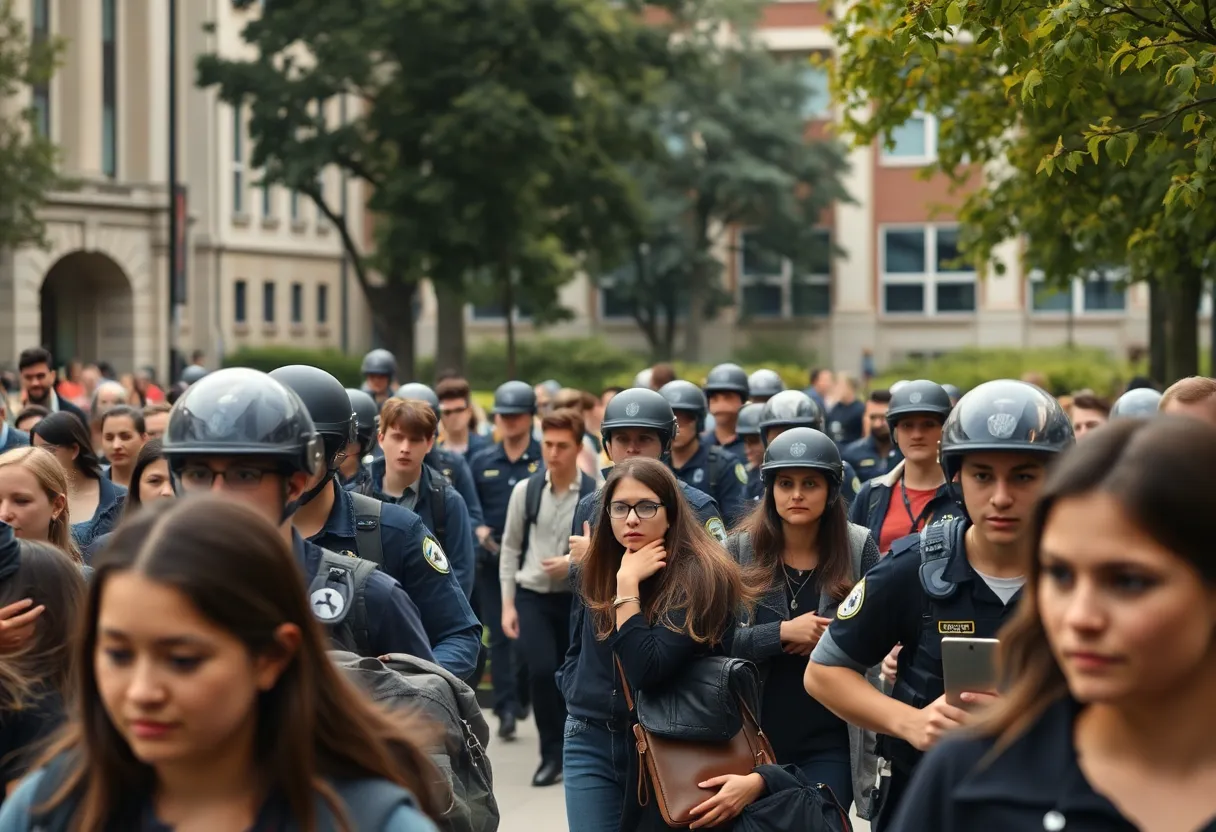
In the vibrant city of San Antonio, the University of Texas at San Antonio (UTSA) found itself navigating some *uneasy waters* this past Tuesday night. With the clock ticking past 9:00 PM, reports of an “active/credible threat” sent students scrambling from their dorms, triggering a whirlwind of emotions across the campus.
What Happened at UTSA?
On that fateful night, two *false threats* were reported on the main campus. This distressing incident was just one part of a larger, concerning trend known as “swatting,” which has gripped colleges across the United States. The term “swatting” refers to the act of making a hoax call to emergency services, often leading to an unnecessary and tense police response. After thorough investigations by law enforcement and college officials, it became clear that the threats at UTSA were *unfounded*, much to the relief of the administration and students alike.
Students Feel the Pressure
You could feel the *tension* in the air as students responded to evacuation advice. Concerns about safety mixed with frustration and *confusion*. The university worked rapidly to communicate to everyone what was happening as the situation unfolded. Notifications around 9:54 PM instructed students to leave their student housing as a precautionary measure.
The Emotional Impact
After the dust settled, it was evident that the emotional fallout of such incidents lingers. Experts from the San Antonio Counseling and Behavioral Center recognized that these *stressful moments* could have significant impacts on students’ mental health and learning capabilities. When in a heightened state of alertness, commonly referred to as “fight or flight” mode, students can find it incredibly challenging to focus on their studies, making it hard to learn effectively.
A Broader Issue
Wednesday morning brought attention to a bigger issue, as UTSA wasn’t alone in experiencing these kinds of threats. Over the preceding week, at least six other universities faced similar hoax situations, including Villanova University and the University of Arkansas. Many college communities grappled with the emotional and logistical repercussions of these scares, as the trend of fake threats continues to rise.
Improving Communication
Feedback regarding UTSA’s alert system poured in after the incident. Many students expressed a desire for more clarity about the nature of the threat, citing a lack of communication during critical moments. After the university confirmed that the bomb threat was unfounded, students were finally given the green light to return to their normal routines. Meanwhile, an increased police presence on campus aimed to provide reassurance that safety remained the priority.
The National Context
It’s crucial to note that UTSA is part of a broader trend impacting campuses nationwide. Fake shooting calls and swatting incidents have become an unsettling norm. This reality underscores the importance of mental health support and establishing *supportive networks* within college communities, emphasizing the need for students to work through this trauma collectively.
The university community is resilient and hopeful, knowing that they can lean on one another during these tougher times. While the threats may have caused temporary panic, the focus on recovery and encouragement for healthy coping mechanisms shines a light on a path forward.
FAQs
What is swatting?
Swatting is a term used for making a hoax call to emergency services, often leading to a police response for a non-existent threat.
What should students do during a threat warning?
Students should follow evacuation instructions, stay calm, and wait for further updates from university officials or law enforcement.
How does a hoax threat affect student mental health?
Hoax threats can trigger heightened stress and anxiety, which can affect students’ ability to learn and function effectively.
Key Features Summary
| Feature | Description |
|---|---|
| What Happened | UTSA reported two hoax threats, part of a national trend of swatting. |
| Student Reactions | Feelings of unease and frustration were reported among students after evacuation orders. |
| Emotional Impact | High-stress situations can affect learning and mental health. |
| Alert System | Feedback indicated a need for clearer communication during threats. |
| Wider Trend | Similar threats reported at other universities across the country. |
Deeper Dive: News & Info About This Topic
HERE Resources
Concerns Rise Among San Antonio Students After Swatting Incidents
San Antonio Students Experience Campus Evacuations
Transformation of San Antonio’s Higher Education Landscape
Woman Killed in Accidental Shooting in San Antonio
Texas Governor Establishes Cyber Command in San Antonio
Texas Launches Cyber Command to Bolster State Security
Texas House Passes Bill to Increase Sheriff Collaboration with ICE
San Antonio Mother Arrested for Aiding Son’s School Violence
Mental Health Resources Rising in San Antonio Amid School Violence Fears
New Restaurant to Open Near University in San Antonio
Additional Resources
- Fox San Antonio
- KENS 5
- Austin American-Statesman
- Wikipedia: Swatting
- Encyclopedia Britannica: Mental Health

Author: STAFF HERE SAN ANTONIO WRITER
The SAN ANTONIO STAFF WRITER represents the experienced team at HERESanAntonio.com, your go-to source for actionable local news and information in San Antonio, Bexar County, and beyond. Specializing in "news you can use," we cover essential topics like product reviews for personal and business needs, local business directories, politics, real estate trends, neighborhood insights, and state news affecting the area—with deep expertise drawn from years of dedicated reporting and strong community input, including local press releases and business updates. We deliver top reporting on high-value events such as Fiesta San Antonio, San Antonio Stock Show & Rodeo, and Dia de los Muertos. Our coverage extends to key organizations like the Greater San Antonio Chamber of Commerce and United Way of San Antonio and Bexar County, plus leading businesses in retail, insurance, and energy that power the local economy such as H-E-B, USAA, and Valero Energy. As part of the broader HERE network, including HEREAustinTX.com, HERECollegeStation.com, HEREDallas.com, and HEREHouston.com, we provide comprehensive, credible insights into Texas's dynamic landscape.