

News Summary
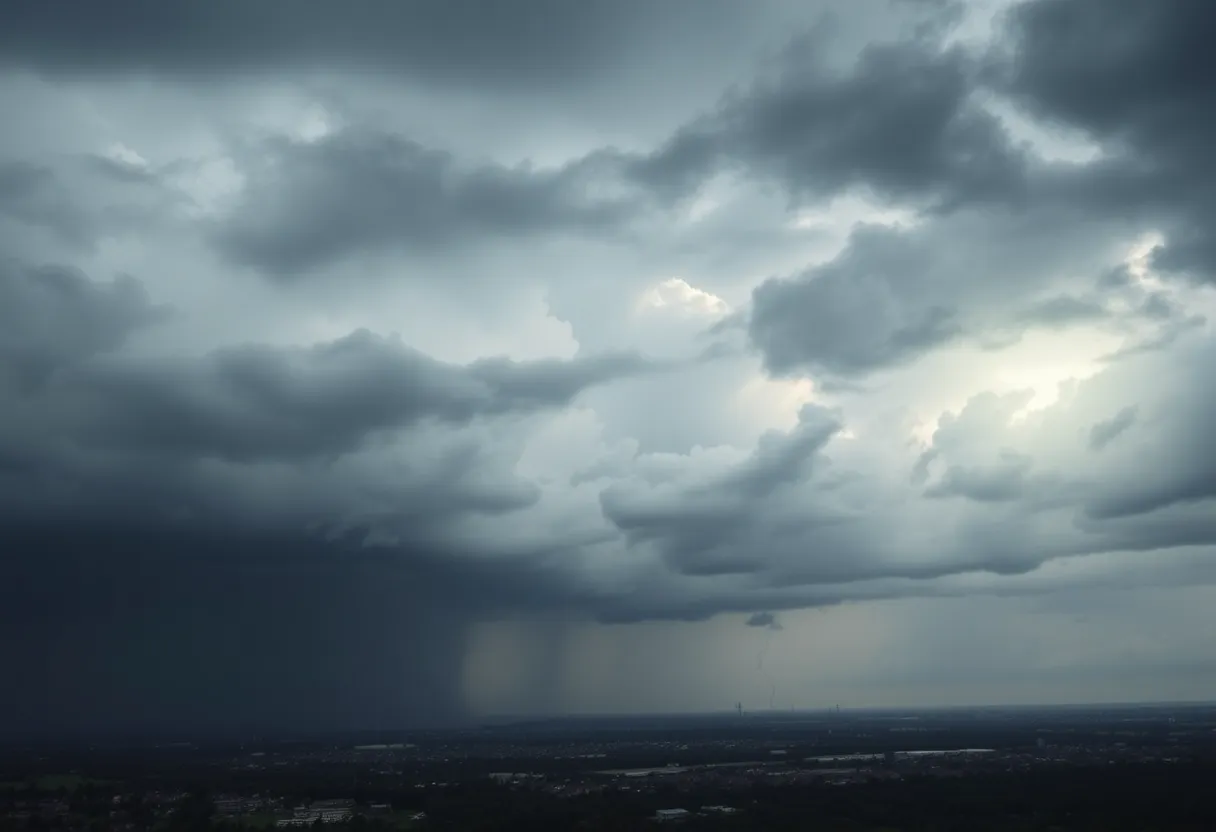
Texas is grappling with severe flooding risks, particularly in a region known as Flash Flood Alley. This area is highly susceptible due to its geographical features and urban development, leading to increased peril during heavy rain events. Officials urge residents to be vigilant and prepared as climate change exacerbates the situation, posing a deadly threat from flash floods. Safety recommendations emphasize the importance of monitoring weather forecasts and following safety guidelines to mitigate risks.
Texas is facing severe flooding risks due to its geographical makeup and unpredictable weather patterns, particularly in a region known as Flash Flood Alley, which runs along the I-35 corridor from North Texas down to San Antonio. This area is statistically more deadly than other weather-related phenomena in the state, with flash flooding accounting for an average of 88 deaths per year across the United States, many of which are vehicle-related incidents.
Flash Flood Alley, while not officially designated, is widely acknowledged by city planners and forecasters as a zone highly susceptible to flooding. The convergence of moisture-rich air from the Gulf of Mexico and cooler, drier air from the north creates intense thunderstorms in this corridor, particularly impacting cities like Dallas and San Antonio. Urbanization, specifically in the Dallas-Fort Worth area, has exacerbated these risks by increasing impermeable surfaces that overwhelm storm drainage systems.
North Texas’s geographic characteristics amplify the flood risk. Shallow soils and rocky terrain limit the land’s ability to absorb rainfall, causing excessive runoff into local rivers and creeks during heavy rain events. These water bodies frequently have steep gradients and narrow channels, leading them to swell rapidly. As a result, urban creeks can escalate several feet in just a matter of minutes, often catching residents unprepared.
The region experiences multiple intense rain events each year, with communities needing to stay vigilant during such weather conditions. Notably, Central Texas, especially Austin, is currently under a level 3 out of 4 risk for excessive rainfall. The Balcones Escarpment in the area contributes to the issue by trapping warm, moist air, further complicating weather conditions and increasing the precipitation levels in the urban landscape.
In addition to geographical factors, long-term drought in Texas has created soils that repel water, further hindering absorption and causing rainfall to flow over the land’s surface. Moreover, climate change is anticipated to heighten the severity and frequency of rainfall events, increasing concerns for residents living in or near flood-prone areas.
Officials emphasize safety recommendations to help mitigate risks during these volatile weather times. The primary message remains: “Turn Around, Don’t Drown.” Just six inches of moving water can knock an adult off their feet, while one foot can carry away small vehicles. Residents, especially those by creeks or in low-lying areas, should closely monitor weather forecasts during heavy rains and consider creating emergency kits in case of necessary evacuations. Signing up for weather alerts is highly encouraged for timely information and preparedness.
Over the last few years, San Antonio has also seen significant flooding issues directly tied to its placement in Flash Flood Alley, affecting various local communities. The rapid development in this metropolitan area has led to fewer green spaces which would typically allow for better water absorption, making it essential for city planners to address these growing challenges.
As severe weather continues to become an increasingly complicated reality for Texas residents, understanding the mechanics behind flash flooding becomes crucial for safety and preparedness. Local authorities are committed to enhancing public awareness regarding the risks associated with flooding and the importance of taking proactive measures to safeguard lives and property.
In conclusion, Texas holds the unfortunate distinction of having flash floods be its deadliest weather threat. Awareness of the risks, proactive preparation, and adherence to safety recommendations are vital for residents to navigate this ongoing challenge effectively.
Deeper Dive: News & Info About This Topic
HERE Resources
San Antonio Flooding Claims 13 Lives, Recovery Efforts Underway
Flash Flooding in San Antonio Claims 13 Lives
Tragic Flash Flooding in San Antonio Claims Lives
Catastrophic Flooding in San Antonio Leads to Tragedy
Devastating Flooding Claims Lives in San Antonio
San Antonio Flooding Claims 11 Lives as Search Operations Continue
Flash Flooding in San Antonio Claims More Lives
Severe Flooding in San Antonio Leads to Tragic Loss of Life
Severe Weather Alerts Issued for San Antonio Area
San Antonio Faces Severe Thunderstorms and Flash Flooding
Additional Resources
- WFAA News
- Wikipedia: Flash Flood
- KENS5 News
- Google Search: San Antonio Flash Flood
- KVUE News
- Google Scholar: Central Texas Flood Safety
- KXAN News
- Encyclopedia Britannica: Severe Weather Preparations
- KCEN News
- Google News: Turn Around, Don’t Drown


Author: STAFF HERE SAN ANTONIO WRITER
The SAN ANTONIO STAFF WRITER represents the experienced team at HERESanAntonio.com, your go-to source for actionable local news and information in San Antonio, Bexar County, and beyond. Specializing in "news you can use," we cover essential topics like product reviews for personal and business needs, local business directories, politics, real estate trends, neighborhood insights, and state news affecting the area—with deep expertise drawn from years of dedicated reporting and strong community input, including local press releases and business updates. We deliver top reporting on high-value events such as Fiesta San Antonio, San Antonio Stock Show & Rodeo, and Dia de los Muertos. Our coverage extends to key organizations like the Greater San Antonio Chamber of Commerce and United Way of San Antonio and Bexar County, plus leading businesses in retail, insurance, and energy that power the local economy such as H-E-B, USAA, and Valero Energy. As part of the broader HERE network, including HEREAustinTX.com, HERECollegeStation.com, HEREDallas.com, and HEREHouston.com, we provide comprehensive, credible insights into Texas's dynamic landscape.